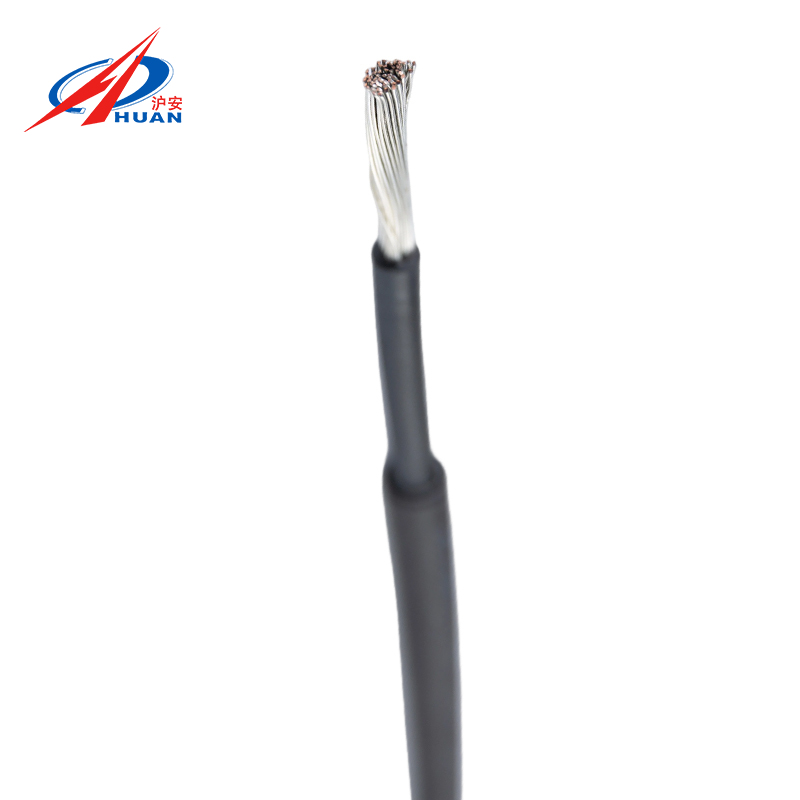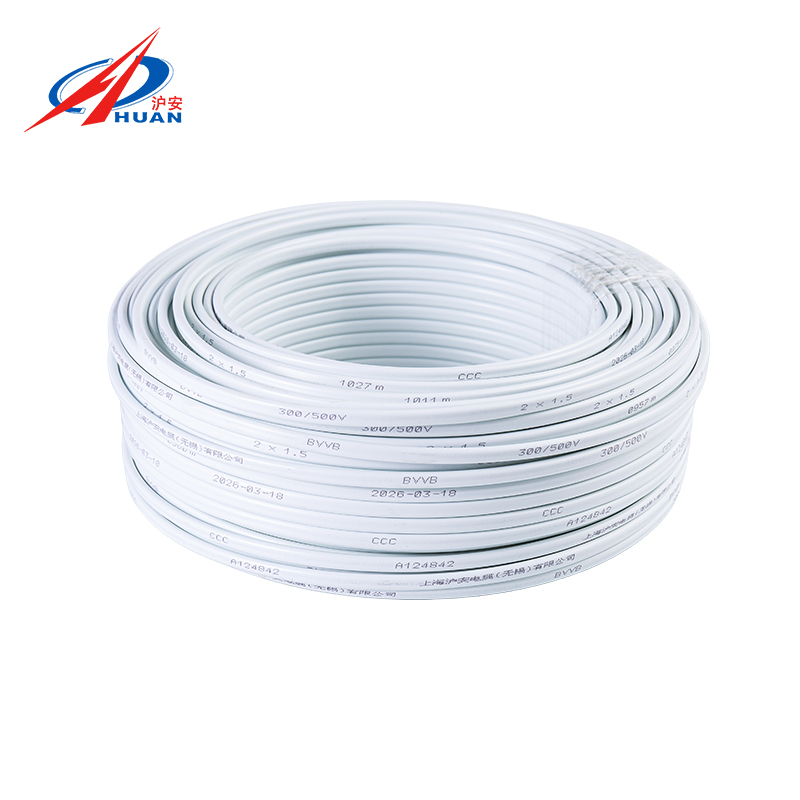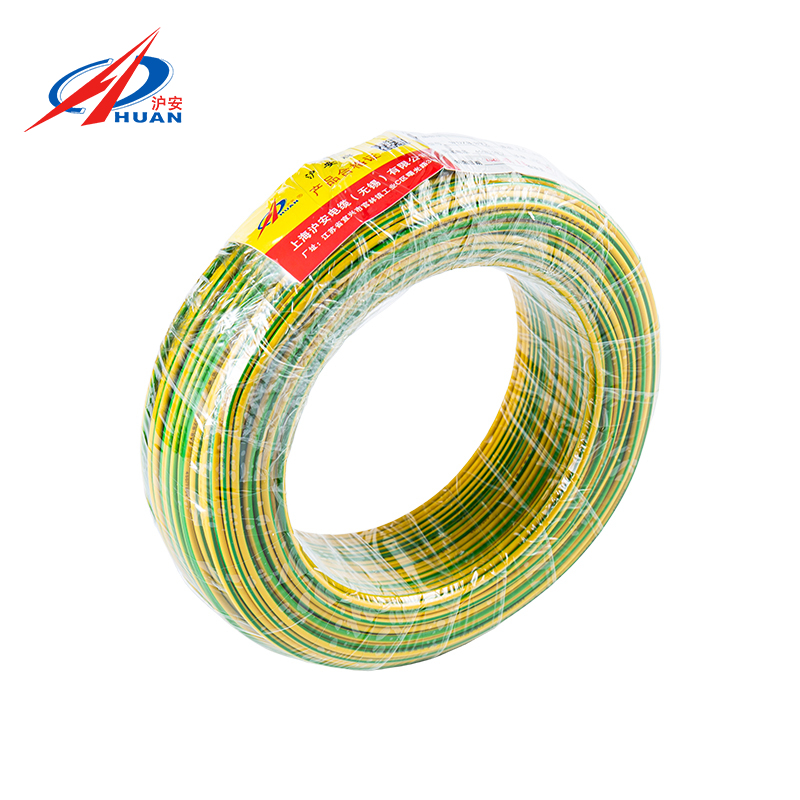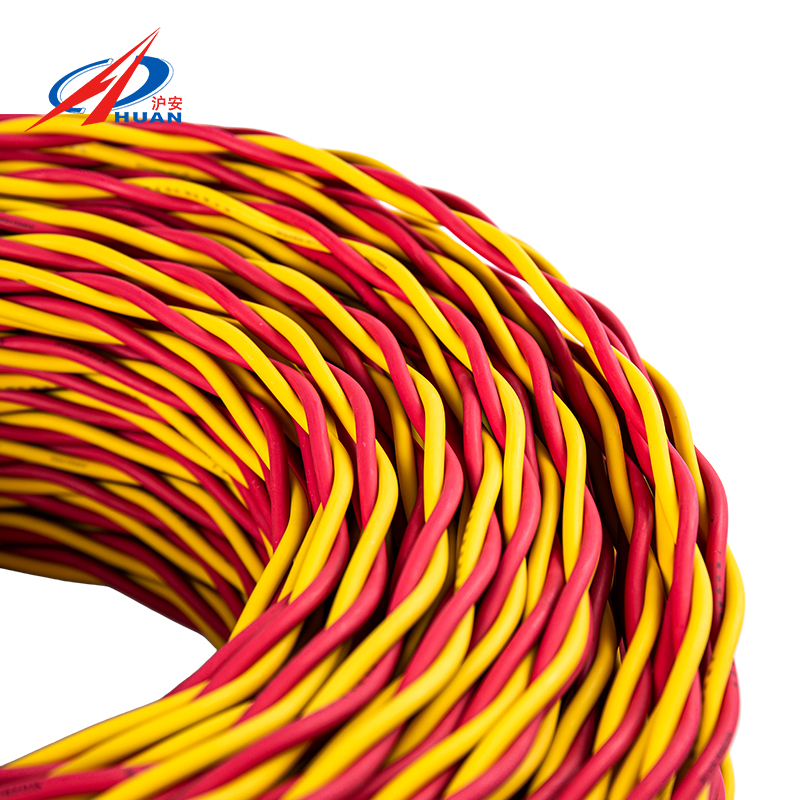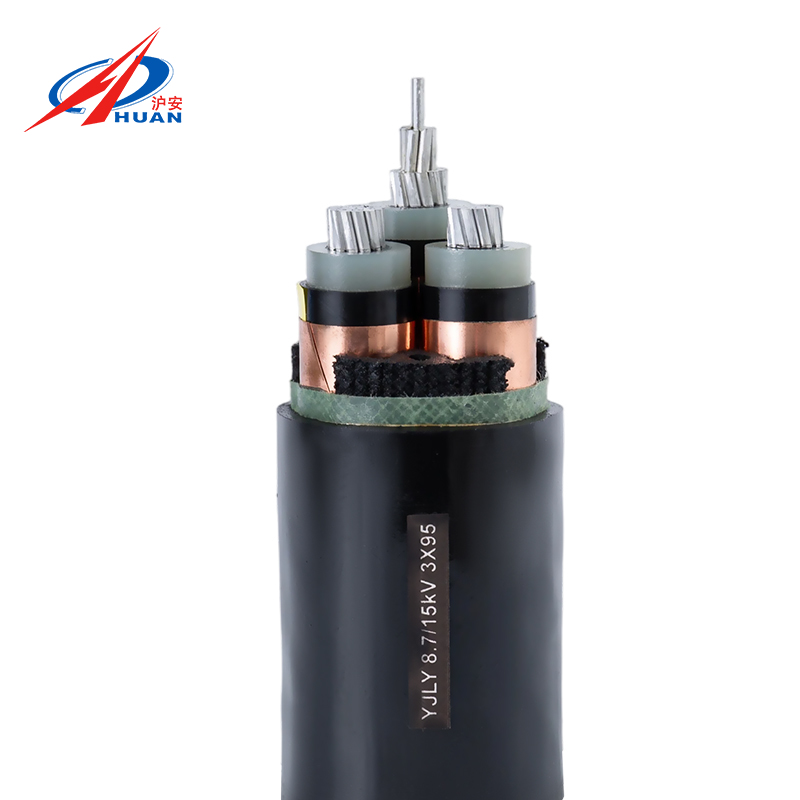
Solar installations keep getting larger, and the cables that connect the panels are changing with them. Market research released this year puts the global solar cable market on a growth path measured in high single to low double digits per year through the early 2030s, and utility-scale plants account for most of the cable length being installed. Behind the headline numbers, two developments are changing what buyers should ask for: the move from 1000V to 1500V DC system design, and tighter national rules on cable quality.
At a higher system voltage, the same power flows at lower current. Lower current means smaller resistive losses and allows longer strings of modules on each circuit, which cuts the number of combiner boxes and the total cable run required for a large plant. The trade-off is that the insulation and jacket must withstand more electrical stress for 25 years or longer, in direct sunlight, with daily temperature swings.
| Item | 1000V DC Design | 1500V DC Design |
| Modules per string | Fewer | More |
| Current for the same power | Higher | Lower |
| Cable and combiner quantity | More | Less |
| Insulation requirement | Standard | Higher dielectric strength |
Several markets have moved to remove weak cable from solar systems. Australia, for example, revised its wiring rules for DC cable sizing and voltage-drop calculation, with the updated requirements becoming mandatory in June 2026, and designers in that market may need larger cross-sections as a result. Similar attention to fire and system-failure risk is visible across Europe and Asia. For exporters, the practical lesson is that a cable approved in one country may not meet the next one's rules, so certification documents should be matched to the destination market before an order is placed.
Solar cables use a lot of metal per project, so copper and aluminum prices affect final cost. Analysts note that volatile metal pricing can delay investment decisions on utility-scale projects when cable cost cannot be locked in. Buyers who agree on a copper-linked pricing formula with the supplier, and who confirm stock for the first delivery batch, reduce that uncertainty.
Shanghai Hu'an Cable (Wuxi) Co., Ltd. manufactures photovoltaic cables alongside eco-friendly low-smoke halogen-free cables and a full range of electrical wires. Its export certificates include CE, RoHS and VDE, and the factory supports custom conductor sizes, colors, printing and reel lengths under OEM/ODM terms. Contact the team through the inquiry page with your system voltage, string length and destination market, and the engineers can recommend a matching specification.
READY TO CUSTOMISE YOUR CABLE PRODUCTS?
If you are interested in our products, please leave us a message. We look forward to providing you with professional services!
Shanghai Hu'an Cable (Wuxi) Co., Ltd. is a rapidly developing professional and group oriented enterprise in the field of wire and cable. Also, it is a group company that integrates wire and cable design, R&D production and manufacturing. Electrical Cable Factory in China.
Quick Links
Product List
Contact Info.

Tel.:
+86 (0)510-80336668

Whatsapp:
+86 139 1729 9018

E-mail:
good@huancabletop.com

Address:
No. 3 Shuguang Road, Industrial C Zone, Guanlin Town, Yixing City, Wuxi City, Jiangsu, China
QR Code

 English
 中文简体
 عربى
 中文繁体
 한국어
 日本語
 русский
 Français
 Español
 Português
 Deutsch
 +86 (0)510-80336668