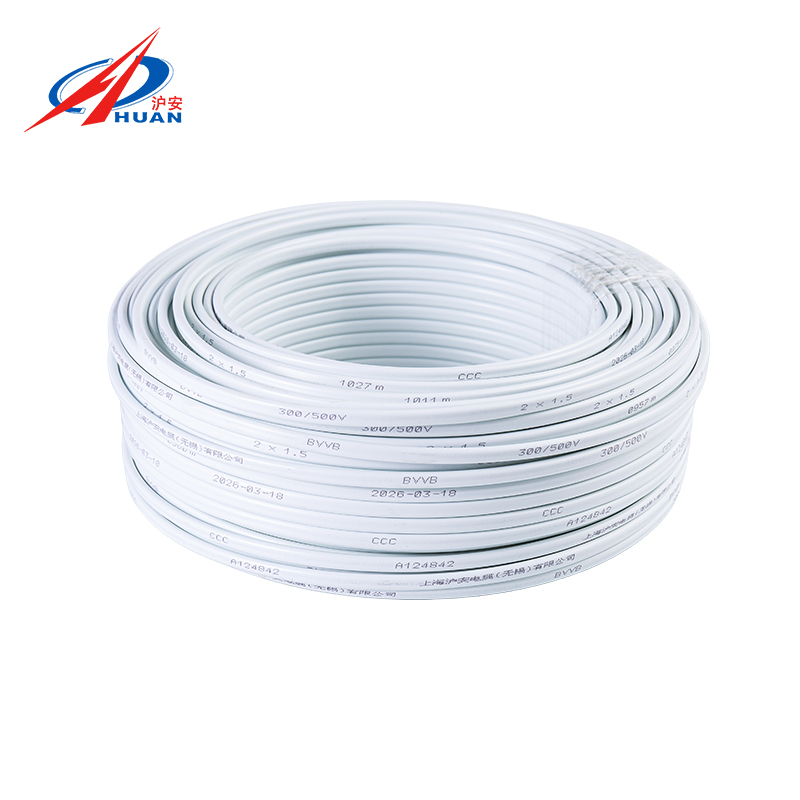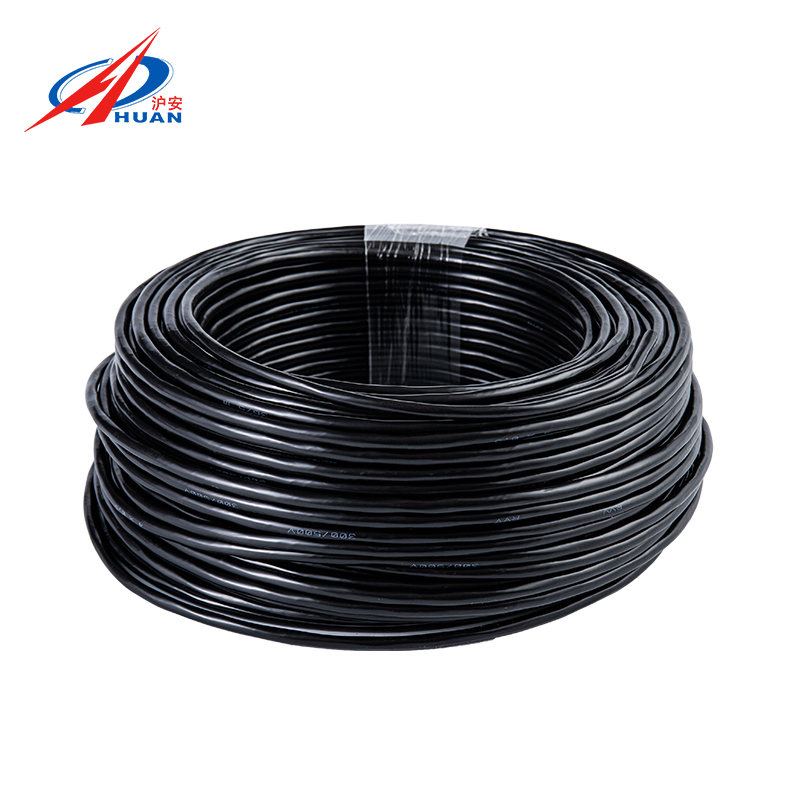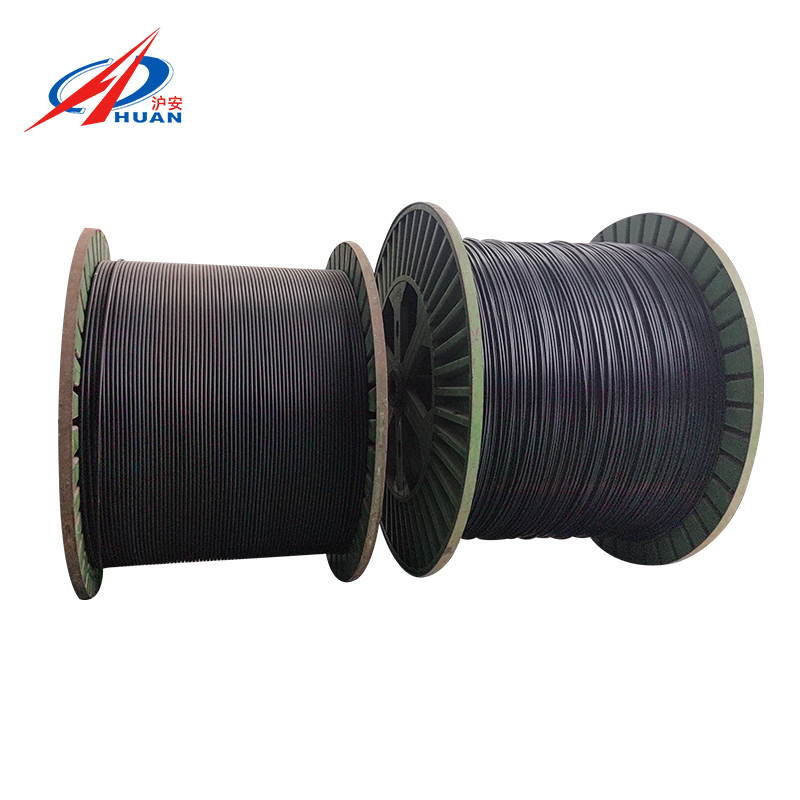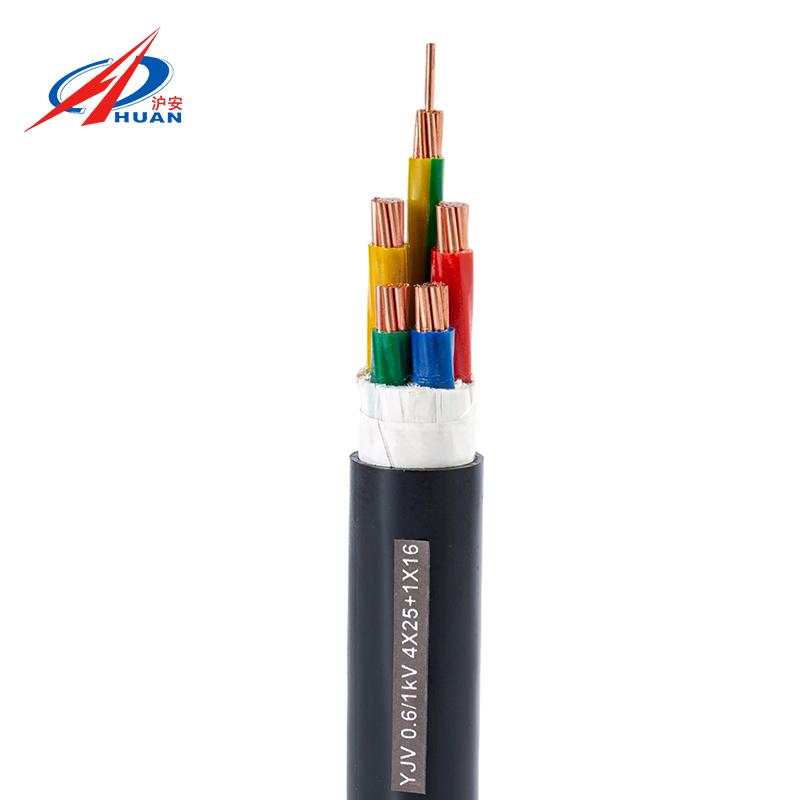
Copper has been the single biggest swing factor in the electrical cable market this year. Prices climbed to multi-year highs in the first half of 2026, pulled back for a few weeks, then turned up again over the summer. For anyone purchasing power cables, building wires or control cables, that movement shows up directly in quotations, because the conductor makes up the largest share of a finished cable's cost.
Market tracking by Shanghai Metals Market (SMM) shows how sharp the effect has been. Operating rates at Chinese cable plants dropped to a low point early in the year when high copper prices met the Lunar New Year holiday, then recovered quickly as grid projects went into concentrated delivery. State Grid's fixed-asset investment in the first quarter rose by roughly a third year on year, and cable exports from January to May grew by more than 8% compared with the same period of 2025. Demand is healthy; cost control is the harder part.
A cable manufacturer buys copper rod, draws it into wire, and then insulates, cables and sheaths it over a production cycle that can run several weeks for a large order. If the quotation was fixed on the day of inquiry and copper rises before the metal is purchased, either the factory absorbs the loss or the order is delayed. If copper falls, the buyer may feel they overpaid. Neither outcome supports a stable long-term supply relationship.
For this reason, more suppliers and buyers are moving to price-linked quotations. The cable price is split into two parts: a metal component that follows an agreed copper reference price, and a processing component that covers insulation materials, labor, testing and logistics. Only the metal part floats.
| Pricing Method | How It Works | Best Suited For |
| Fixed price | One price valid for a short window, usually days | Small orders shipped from stock |
| Copper-linked price | Copper weight multiplied by a reference price, plus a fixed processing fee | Large or phased project orders |
| Price lock at order | Metal is purchased on the order date to match the contract | Buyers who need a firm budget |
Aluminum has about 61% of copper's conductivity, so an aluminum conductor needs a larger cross-section to carry the same current. Even so, it weighs roughly half as much for equivalent capacity, and the metal itself costs far less per kilogram. That combination makes aluminum wires and cables an attractive option for building feeders, overhead distribution lines, and long runs where installation weight matters. Copper remains the better choice for compact installations, frequent bending, and terminals with tight space limits.
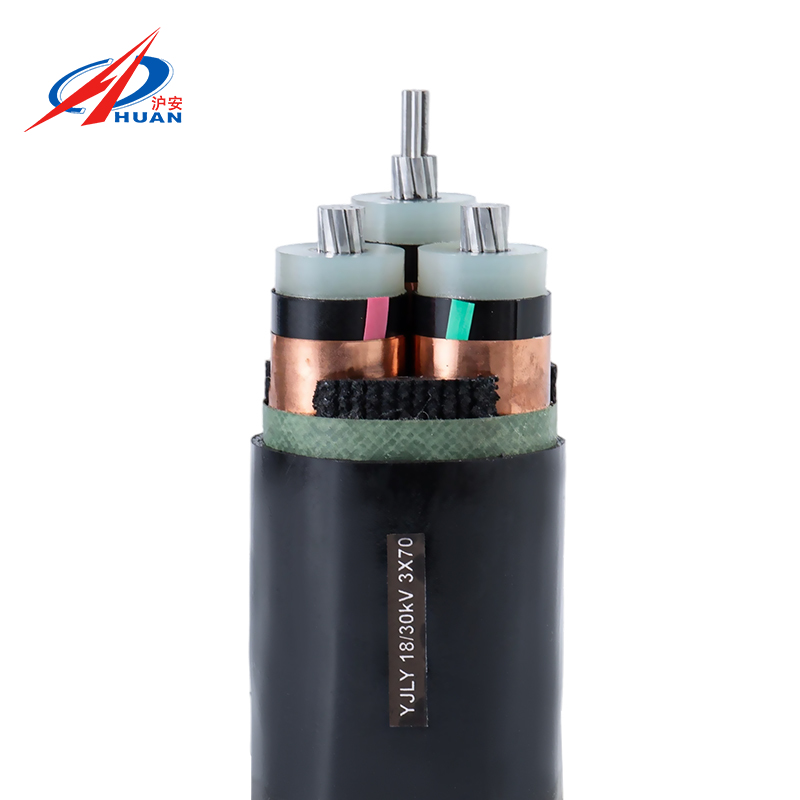
High metal prices also raise the temptation to cut corners, such as using undersized conductors or lower-grade copper. A buyer can protect against this by asking for conductor resistance test reports, certification such as ISO 9001, CE, RoHS and VDE, and type test documentation for each batch. Reputable manufacturers test from incoming raw material through finished product, which makes the figures on the datasheet verifiable rather than nominal.
Shanghai Hu'an Cable (Wuxi) Co., Ltd. supplies more than 60 product series and over 40,000 specifications covering power cables, copper core medium and high voltage cables, control cables and aluminum conductor products. With more than 200 sets of production and testing equipment and a large stock of common specifications, the factory can match a quotation structure to the project, whether that is a single container of standard cable or an OEM/ODM order made to a drawing. To discuss pricing for your next order, contact the sales team with the specifications and quantities you need.
READY TO CUSTOMISE YOUR CABLE PRODUCTS?
If you are interested in our products, please leave us a message. We look forward to providing you with professional services!
Shanghai Hu'an Cable (Wuxi) Co., Ltd. is a rapidly developing professional and group oriented enterprise in the field of wire and cable. Also, it is a group company that integrates wire and cable design, R&D production and manufacturing. Electrical Cable Factory in China.
Quick Links
Product List
Contact Info.

Tel.:
+86 (0)510-80336668

Whatsapp:
+86 139 1729 9018

E-mail:
good@huancabletop.com

Address:
No. 3 Shuguang Road, Industrial C Zone, Guanlin Town, Yixing City, Wuxi City, Jiangsu, China
QR Code

 English
 中文简体
 عربى
 中文繁体
 한국어
 日本語
 русский
 Français
 Español
 Português
 Deutsch
 +86 (0)510-80336668