Rubber Sheathed Cables manufacturer — flexible power cables for mobile equipment, tools and welding machines.
Rubber Sheathed Cables for Mobile Power and Harsh Environments
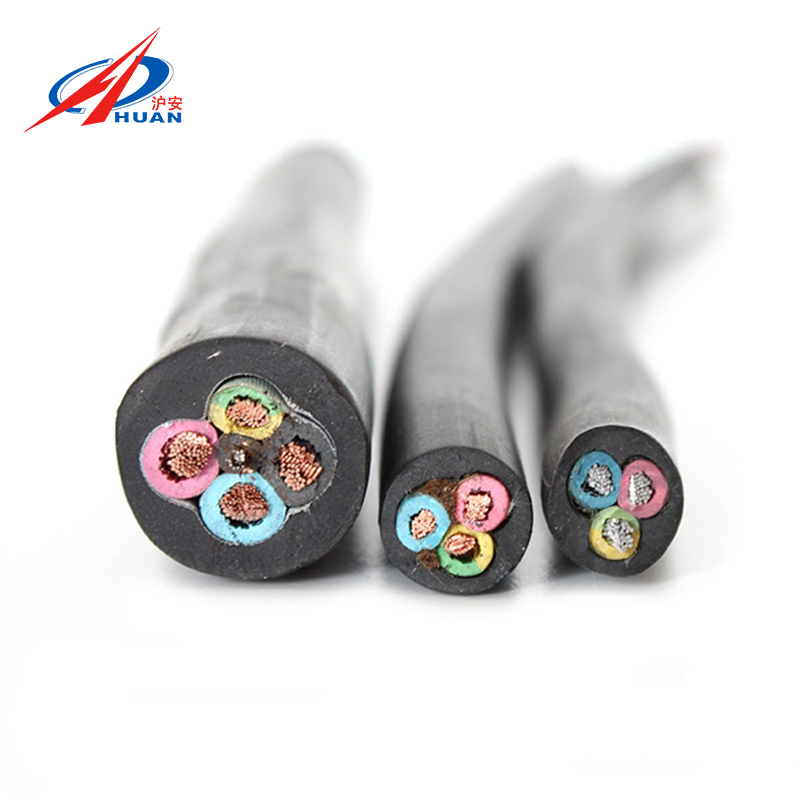
We design and manufacture Rubber Sheathed Cables for equipment that moves, bends and works outdoors. The range covers YQ light-duty, YZ medium-duty, YC heavy-duty, YH welding torch and YCW weather-resistant constructions, all built around flexible Class 5 copper conductors and rubber insulation and sheathing compounds.
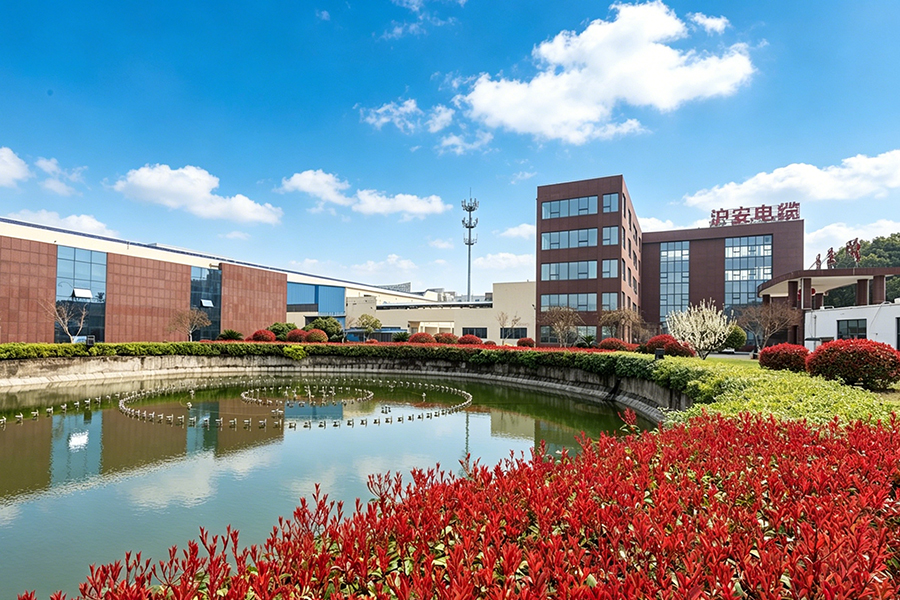
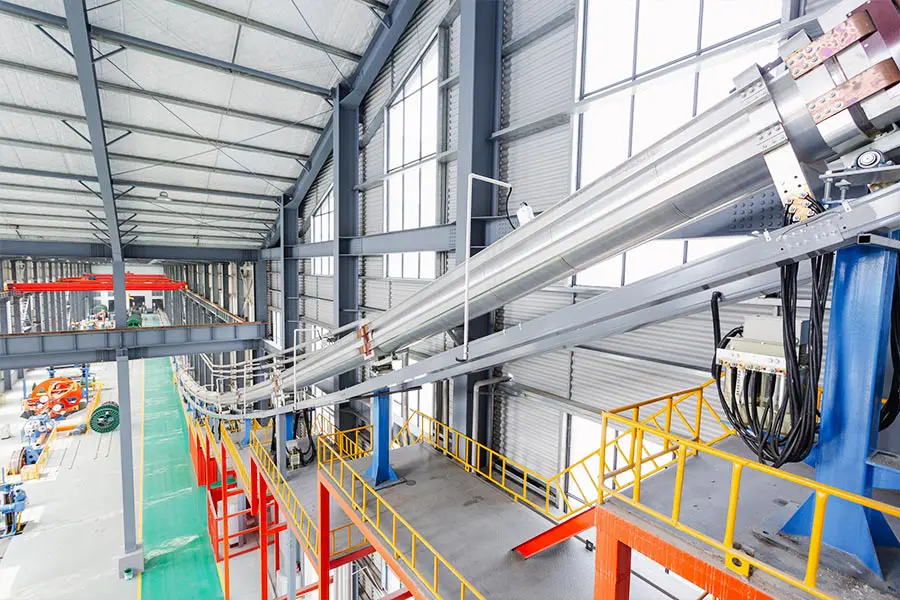
Our production base in Wuxi, Jiangsu integrates design, R&D and manufacturing, so customized lengths, core counts and sheath formulations move from sample to production without hand-offs between separate workshops. The cables serve temporary mobile power supply, portable tools, construction machinery, pumps and welding equipment.
Product Range and Application Fit
Each rubber-sheathed family addresses a defined duty level. Selection starts with the mechanical and environmental load on the cable, then the voltage and current requirement.
| Model |
Duty |
Typical Applications |
Rated Voltage |
| YQ |
Light-duty |
Handheld appliances, small portable tools |
300/300V |
| YZ |
Medium-duty |
Indoor pumps, household appliances, medium power tools |
300/500V |
| YC |
Heavy-duty |
Construction sites, tower cranes, concrete mixers |
450/750V |
| YH |
Welding duty |
Welding machines, high-current surges, spark and oil exposure |
450/750V |
| YCW |
Weather-resistant |
Outdoor mobile equipment, rain and UV exposure |
450/750V |
For fixed installations that do not require repeated flexing, our Power Cables and Control Cables provide the appropriate construction. Rubber-sheathed cables remain the correct choice wherever the cable itself is part of the moving assembly.
Conductor, Insulation and Sheath Construction
Flexibility and service life depend on the conductor stranding and the rubber compound, not on the outer diameter alone. We build to the following construction logic.
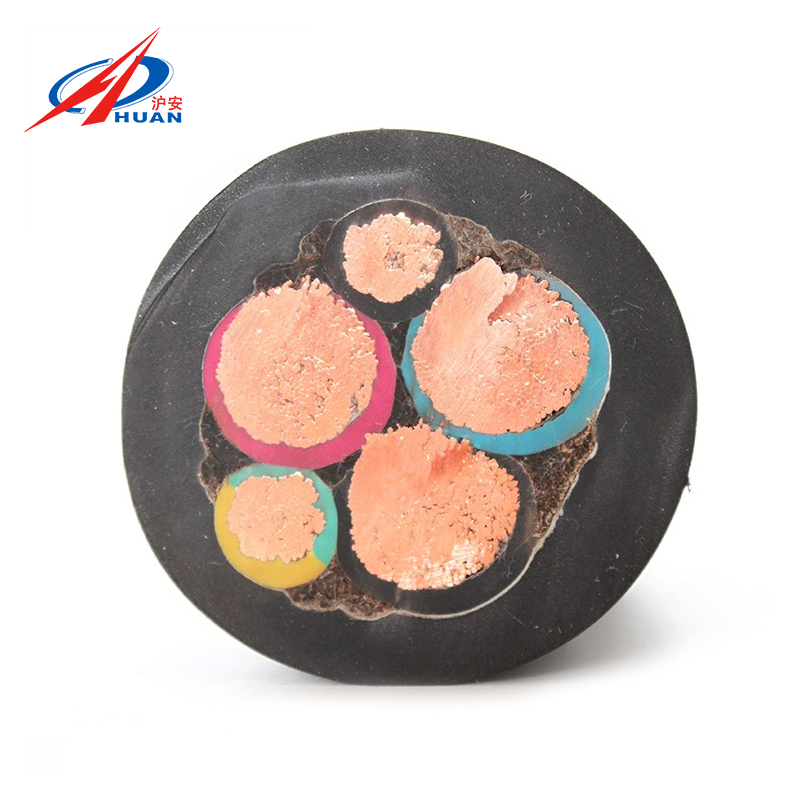
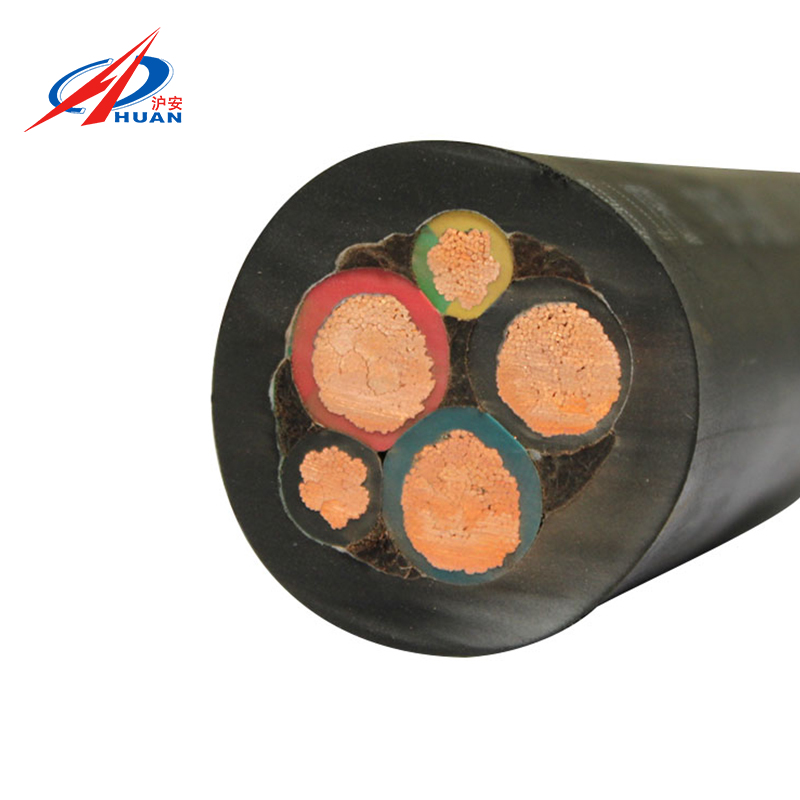
- Conductor: stranded Class 5 copper wires, sized to resist breakage under repeated coiling and relocation.
- Insulation: ethylene-propylene rubber (IE4) for dielectric strength and heat ageing resistance.
- Sheath: SE3 rubber compound or SE4 chloroprene compound, selected for abrasion, oil and weather exposure.
- Core identification: colour-coded cores for 2–5 core constructions, with black as the standard sheath colour.
- Standards: GB/T 5013-2008 and JB/T 8735-2016 form the baseline for the YZ and YC families.
Critical Specifications and Operating Limits
Rubber-sheathed cable performance is defined by the combination of voltage rating, temperature window, bending radius and mechanical protection. These are the parameters we confirm before releasing a production order.
| Parameter |
YZ Medium-Duty |
YC Heavy-Duty |
| Rated voltage U₀/U |
300/500V |
450/750V |
| Max conductor temperature |
65°C |
65°C |
| Ambient operating range |
−15°C to +65°C |
−15°C to +65°C |
| Minimum bending radius |
8D |
10D |
| Core and size range |
2–5 cores, 0.75–6 mm² |
Single core 1.5–400 mm²; 2–5 cores 1–150 mm² |
Ethylene-propylene special rubber sheaths extend the low-temperature limit to −40°C and the upper continuous limit to 90°C, with short-term high-temperature resistance. YH welding cable is built to withstand short-term high-current surges without conductor or insulation failure.
Environmental and Mechanical Performance
Rubber sheathing is chosen where PVC would stiffen, crack or fail under repeated movement. The compound resists dragging, crushing, scratching, rain immersion and sun ageing, and tolerates small amounts of machine oil and mild acid or alkali contact.
- High elasticity and tear resistance for repeated bending and winding.
- Crush resistance for cables dragged across site floors and equipment edges.
- Ozone and UV resistance for outdoor temporary power lines.
- Minimal core breakage after repeated coiling compared with PVC-insulated alternatives.
For installations that also require flame retardance or fire resistance, we can review the construction against our Fire-resistant Wires range or discuss a combined specification during configuration.
Configuration Options and Customization
We manufacture to customer drawings or samples, and support OEM and ODM production. Configuration decisions typically cover the following variables.
- Core count and conductor cross-section, including non-standard combinations.
- Sheath compound selection for oil, weather, abrasion or low-temperature duty.
- Sheath colour and core identification for panel or equipment wiring.
- Cut lengths, coil or drum packaging, and end preparation.
- Voltage rating confirmation against the equipment nameplate and supply system.
Our production base operates an imported Maillefer extrusion line and Sikora eccentricity tester, with insulation eccentricity controlled within 2%. This matters for rubber-sheathed cables because wall thickness consistency directly affects flexibility and dielectric performance.
Quality Control and Acceptance
Full-process quality management applies from raw material entry to finished product release. Each production stage carries an inspection, and final inspection follows customer requirements and the applicable international standard.
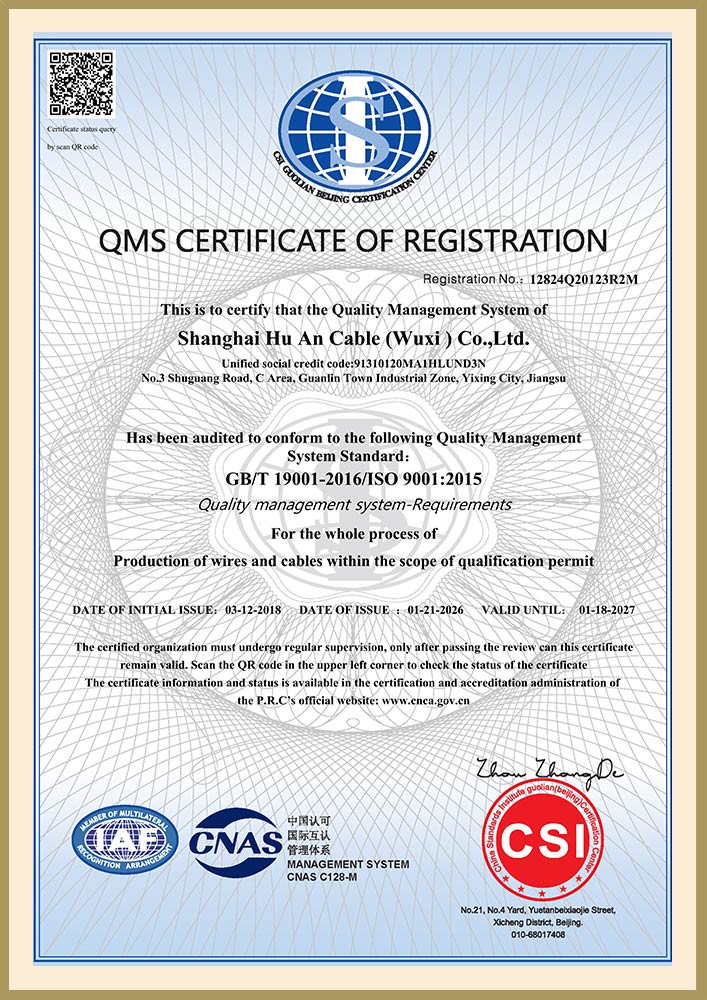
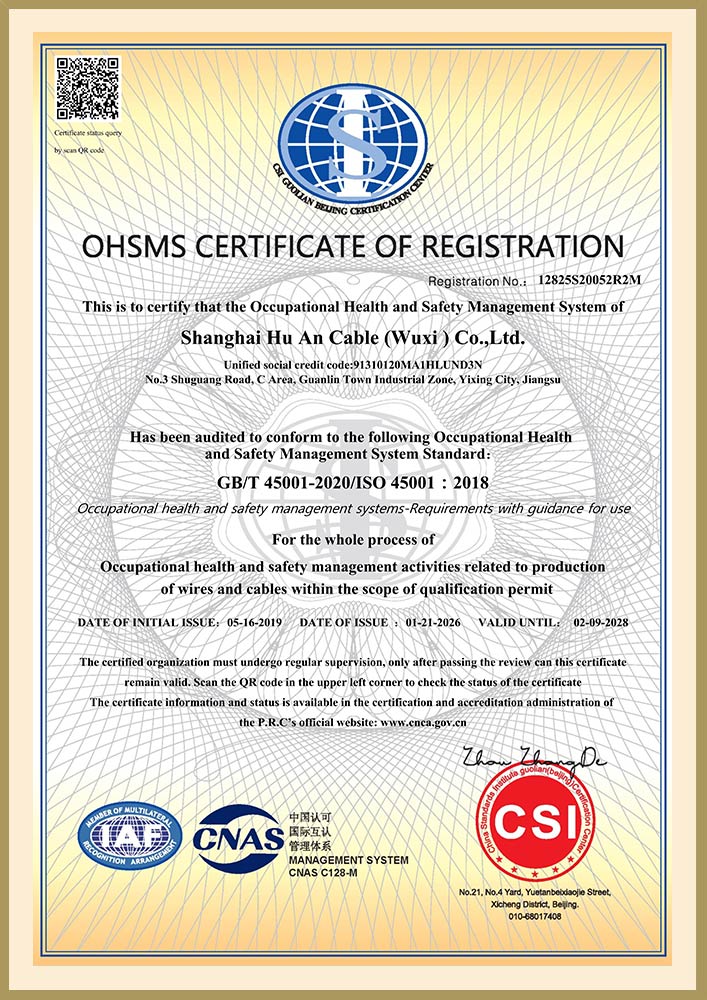
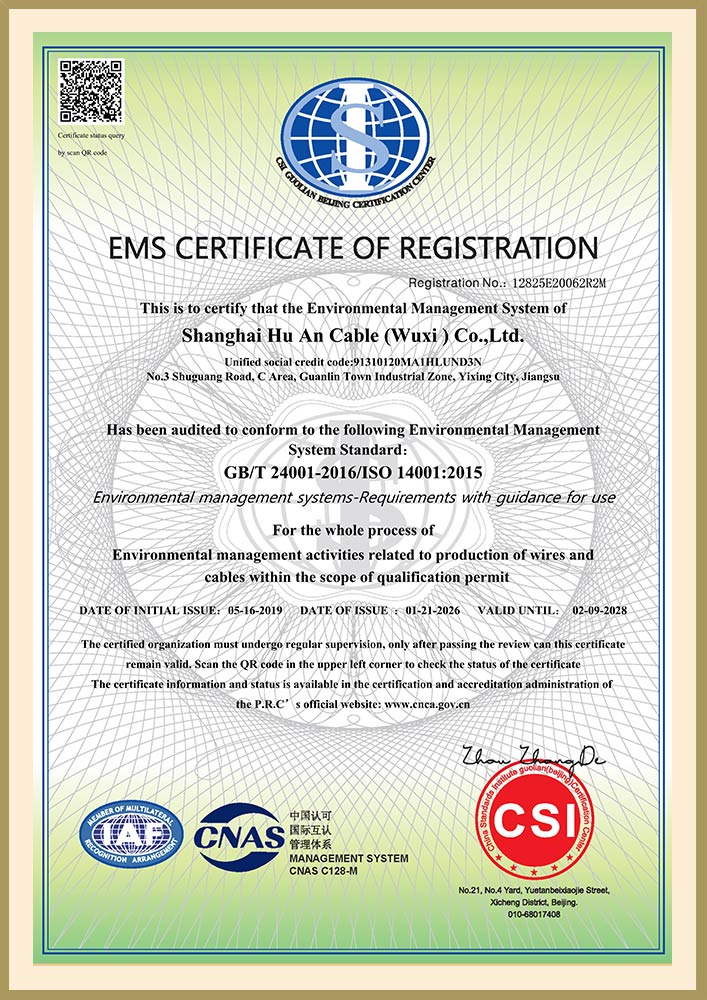
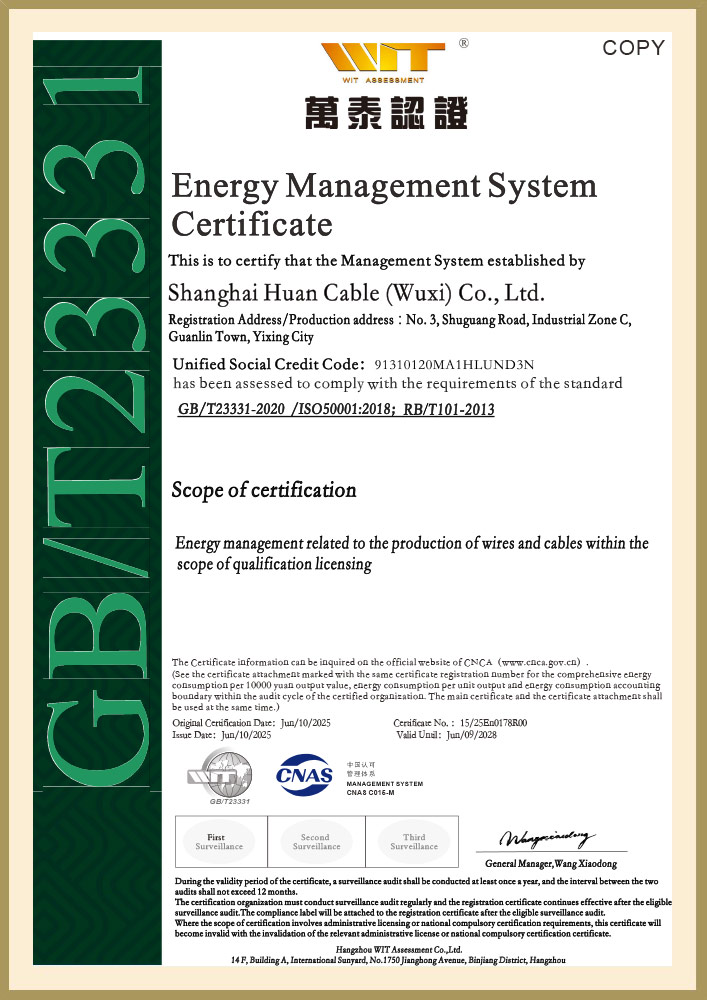
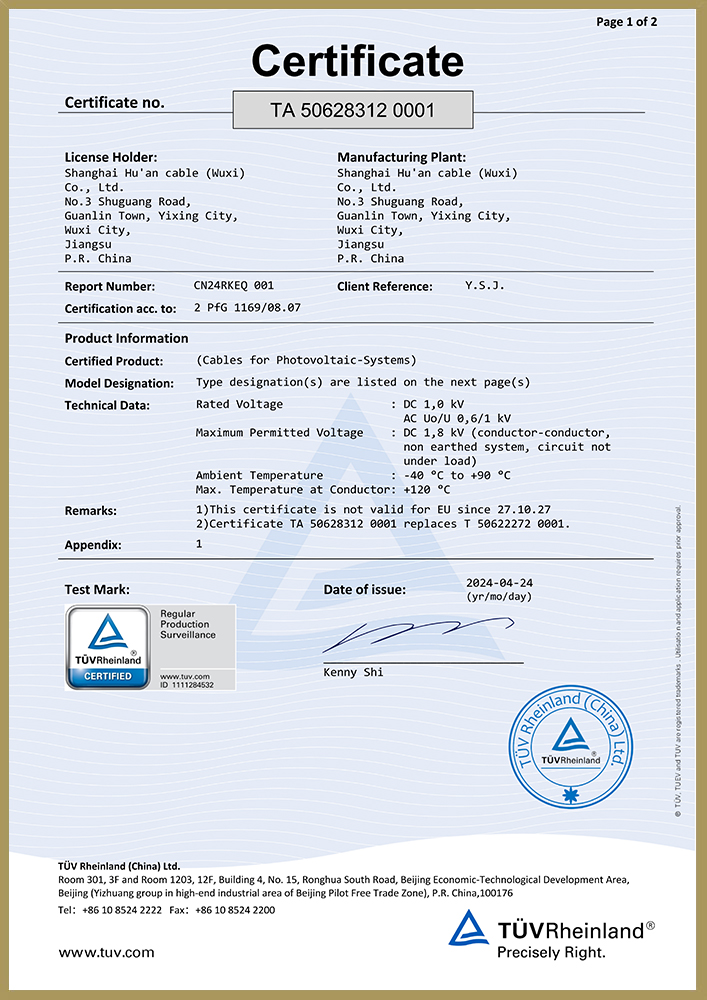
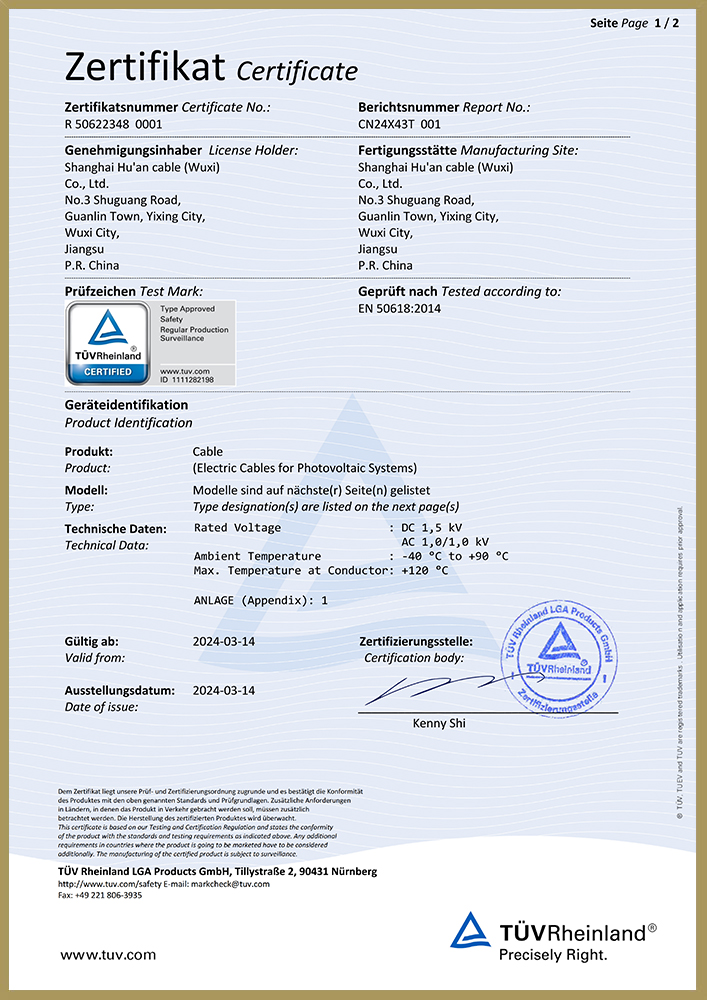
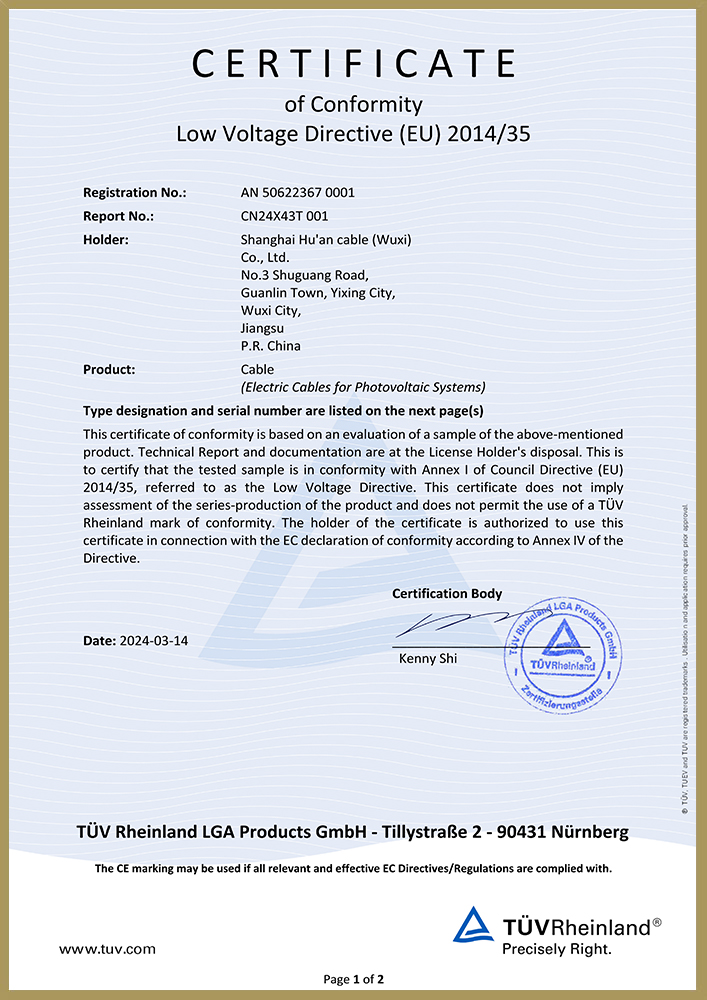
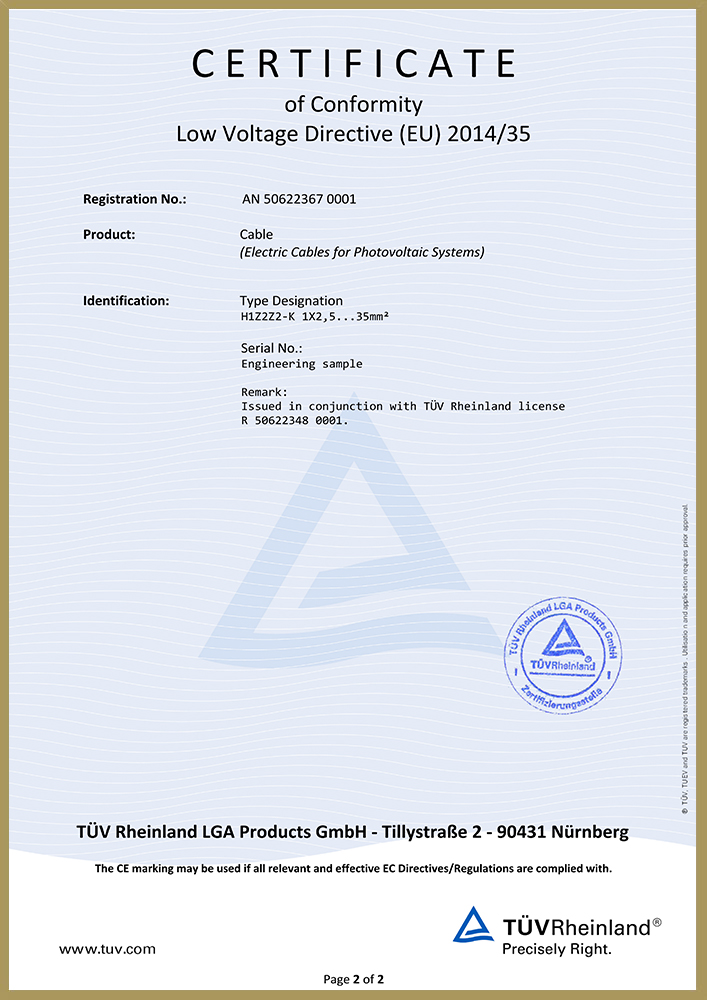
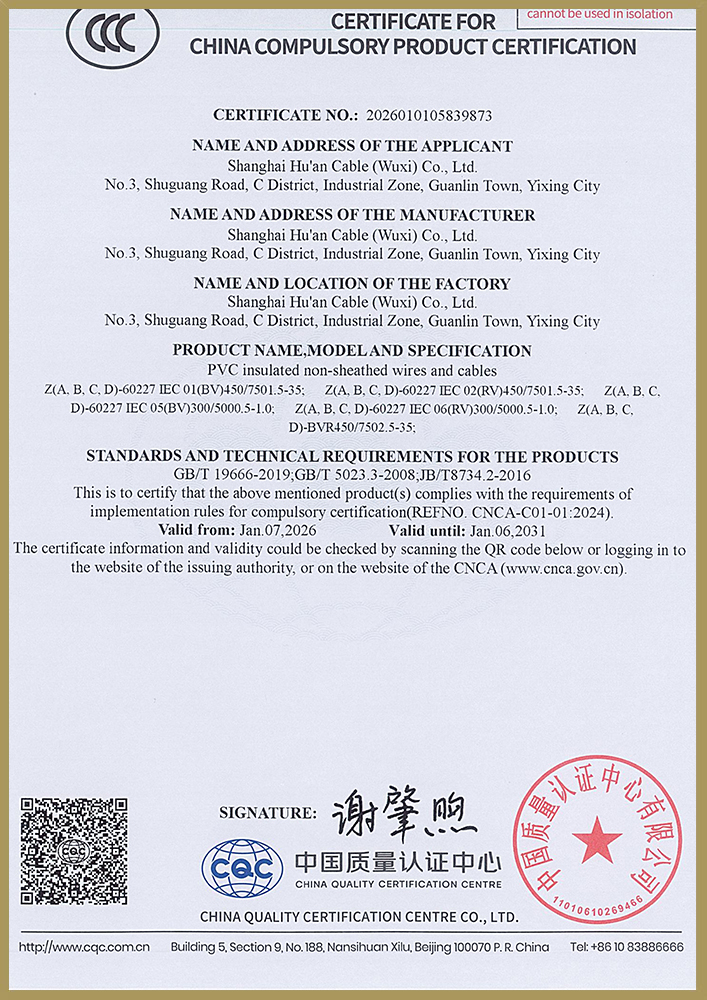
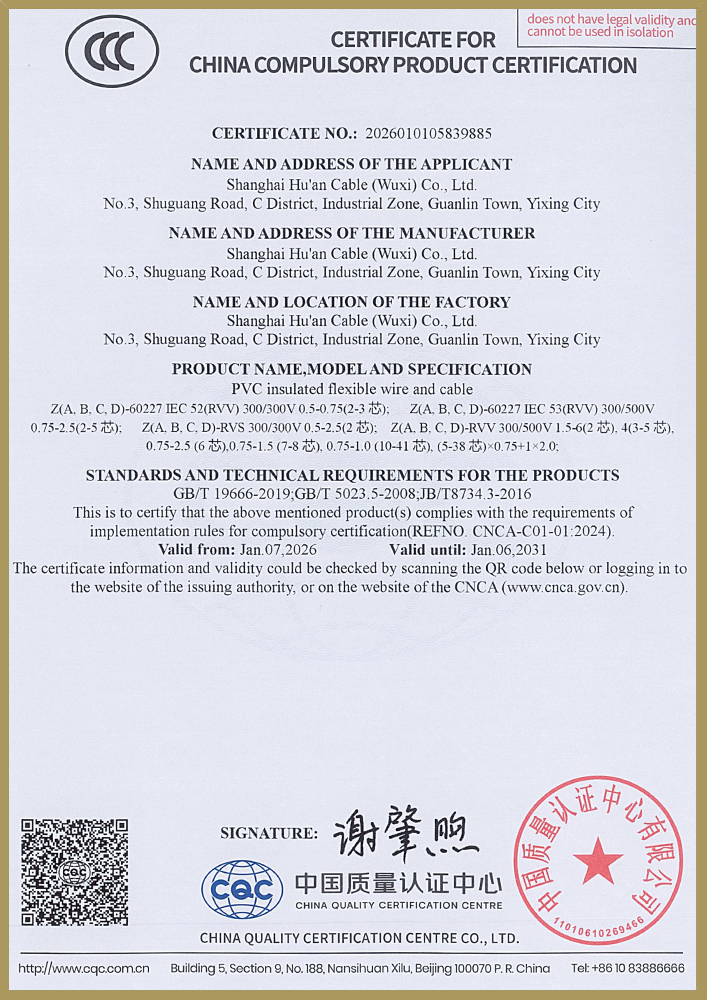
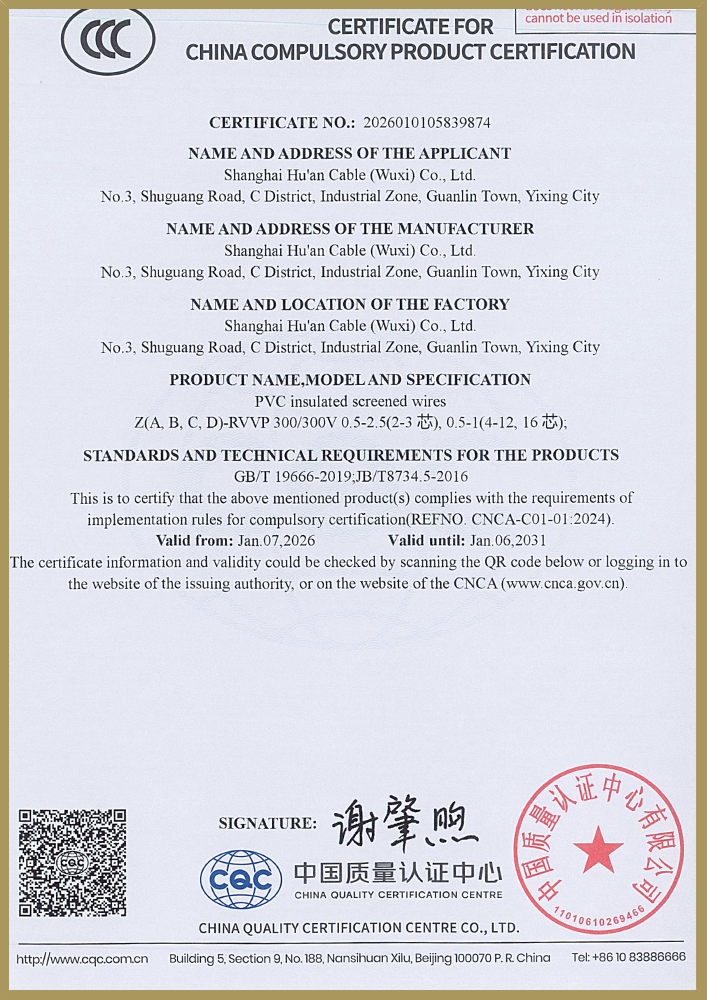
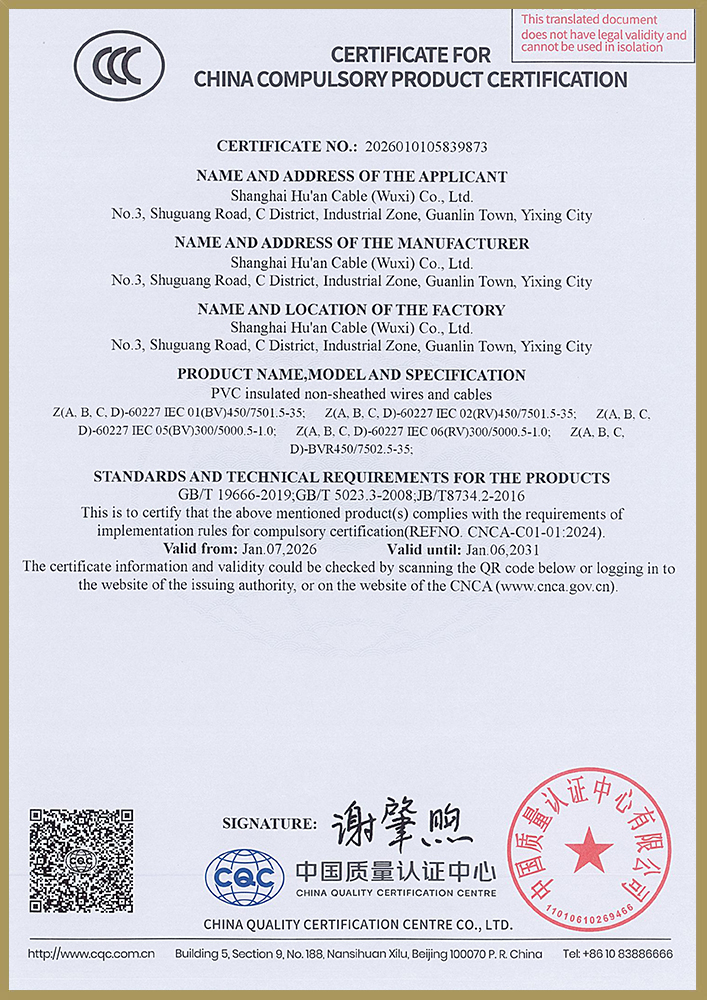
Our laboratory supports chemical composition, mechanical property, non-destructive and dimensional checks. Testing equipment includes spectrometers, coordinate measuring machines and X-ray flaw detectors, alongside combustion and low-temperature tensile winding test machines. Certifications held across the cable business include national industrial product production license, 3C, TUV, CE, RoHS, VDE, ISO 9001, ISO 14001 and ISO 45001.
For project acceptance, we can align inspection certificates and test records with the agreed specification. Third-party type testing can be arranged where the project requires it.
Installation, Maintenance and Serviceability
Rubber-sheathed cable is installed by surface mounting, conduit, cable trunking or cable tray, depending on the model. The minimum bending radius must be respected during pulling and final routing: 8D for YZ and 10D for YC, where D is the actual outer diameter.
- Laying temperature should not be lower than 0°C to avoid sheath damage during installation.
- Inspect the sheath for cuts or crushing after each relocation of mobile equipment.
- Replace cable where the sheath is breached and the insulation is exposed.
- Store coils away from direct sunlight and sharp edges before installation.
We supply replacement lengths and can match existing cable markings and constructions for maintenance programmes.
Information We Use to Configure Your Solution
To prepare a workable configuration and quotation, we need the operating conditions rather than only a model name. The following inputs allow us to confirm the construction, sheath compound and delivery scope.
| Input |
Why It Matters |
| Equipment type and duty cycle |
Determines YQ, YZ, YC, YH or YCW family selection |
| System voltage and current |
Confirms rated voltage and conductor cross-section |
| Ambient and conductor temperature |
Selects standard or extended-temperature rubber compound |
| Movement, abrasion and exposure |
Sets sheath compound and mechanical protection level |
| Core count, length and packaging |
Defines production run and delivery format |
| Certification and marking requirements |
Aligns documentation with project acceptance |
Minimum order quantity is 200 metres across the range. Delivery scheduling is confirmed against the production plan at order review.
Frequently Asked Questions
What is the difference between YZ and YC rubber-sheathed cable?
YZ is a medium-duty 300/500V cable for indoor pumps, appliances and medium power tools, with an 8D minimum bending radius. YC is a heavy-duty 450/750V cable with a thicker sheath for construction sites, tower cranes and concrete mixers, with a 10D minimum bending radius.
Can you supply YH welding cable for high-current welding machines?
Yes. YH welding torch rubber-sheathed cable is designed to withstand short-term high-current surges, high temperature, spark burns and oil stains. We confirm the welding current and duty cycle before selecting the conductor construction.
What certifications apply to your rubber-sheathed cables?
The YZ and YC families are CCC certified and produced to GB/T 5013-2008 and JB/T 8735-2016. Across the cable business we hold national industrial product production license, 3C, TUV, CE, RoHS, VDE, ISO 9001, ISO 14001 and ISO 45001.
Do you produce custom core counts and sheath colours?
We develop and manufacture from customer drawings or samples, including non-standard core counts, sheath compounds and colour identification. OEM and ODM production is supported from our Wuxi production base.
What is the minimum order quantity and typical delivery scope?
Minimum order quantity is 200 metres. Delivery scope covers cut lengths, coils or drums, with packaging and marking agreed at order confirmation.
How do you control insulation eccentricity on flexible rubber cable?
Our imported Maillefer extrusion line and Sikora eccentricity tester control insulation eccentricity within 2%, which supports consistent wall thickness, flexibility and dielectric performance across the production run.
 English
 中文简体
 عربى
 中文繁体
 한국어
 日本語
 русский
 Français
 Español
 Português
 Deutsch
 good@huancabletop.com