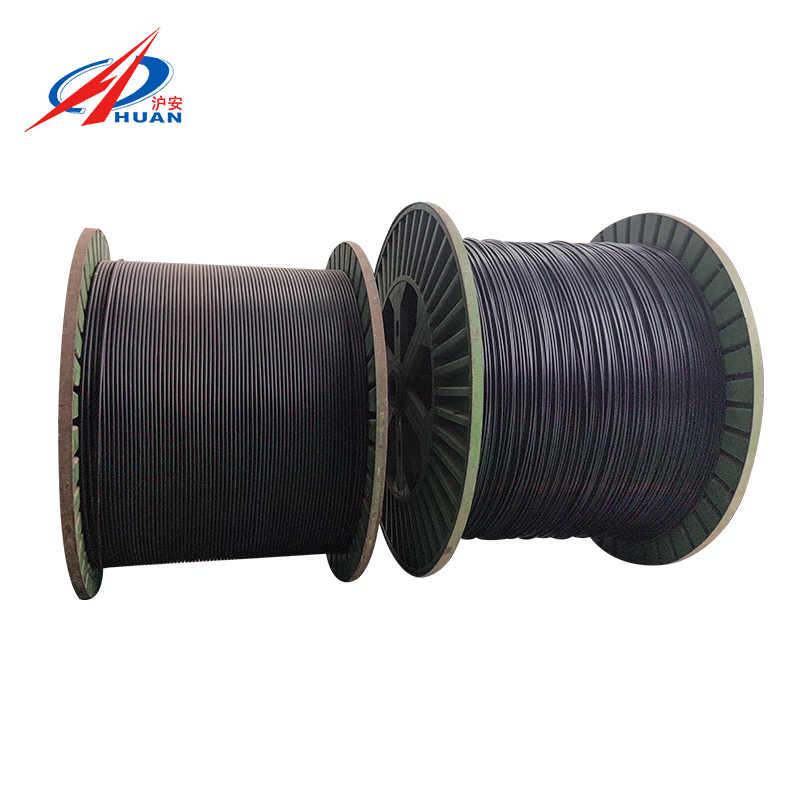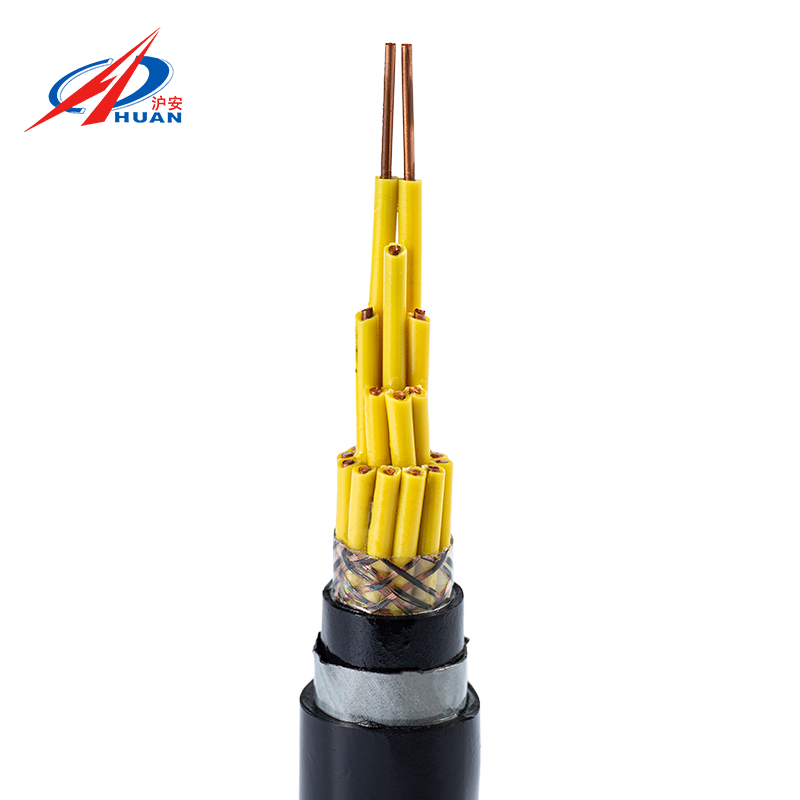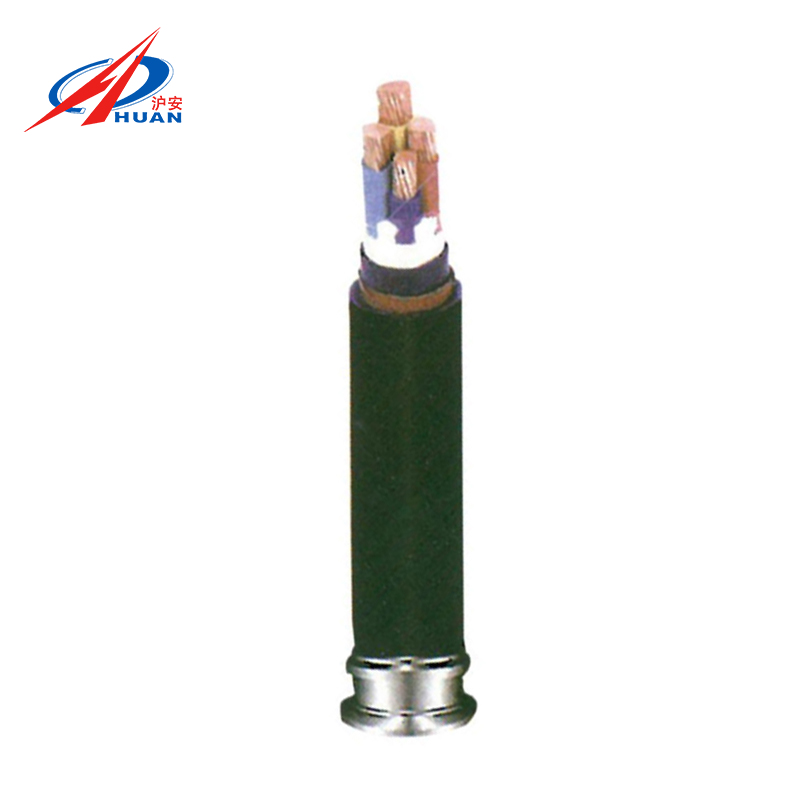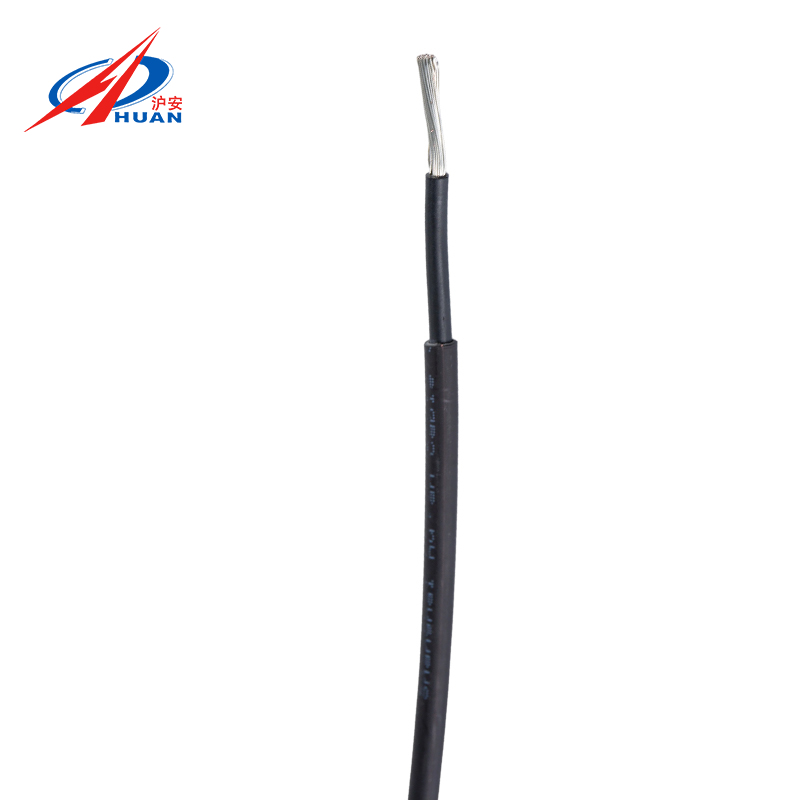
The rapid expansion of electrified rail systems around the world has created an increasing demand for reliable and high-performance infrastructure. Rolling stock cables, crucial components in the modern railway network, play a pivotal role in supporting the safe, efficient, and sustainable operation of these systems. As rail networks electrify to reduce carbon emissions and improve efficiency, rolling stock cables are becoming indispensable for ensuring the reliable transmission of electrical power to trains. This article explores how rolling stock cables contribute to meeting the growing demand for electrified rail systems.
Rolling stock cables are designed to handle the high power requirements of electric trains, providing a secure and stable connection between the train and the railway's electrical supply. These cables are essential in ensuring that trains remain powered during operations, enabling efficient movement across the rail network. Without the proper infrastructure, including high-quality cables, electrified rail systems would face significant challenges in meeting the power demands of modern trains.
Rolling stock cables are specifically engineered to handle the demands of modern electrified rail systems, which include high operating voltages, dynamic movements, and harsh environmental conditions. Here are the critical features that make these cables ideal for electrified rail applications:
Rolling stock cables are designed to withstand the continuous motion, vibration, and bending stresses experienced by trains. Their flexible construction ensures that they maintain performance even under dynamic conditions, where cables are exposed to frequent movement and stress. This durability extends the service life of the cables, which is crucial for minimizing maintenance costs and ensuring long-term reliability.
Electric trains generate significant amounts of heat during operation, especially in high-power applications. Rolling stock cables are engineered with heat-resistant materials to prevent overheating and ensure continued power supply under extreme temperature conditions. The cables’ resistance to heat ensures the safety of both the train and its passengers by preventing cable failures due to temperature extremes.
Rolling stock cables are exposed to a wide range of environmental conditions, including rain, snow, dirt, and chemical exposure. To ensure reliability, these cables are often built with robust, weather-resistant insulation that can withstand the elements without degrading. Additionally, the cables are resistant to UV radiation and moisture, which ensures the longevity of the wiring system even in harsh outdoor environments.
Electrical insulation is critical for ensuring that the power transferred to the train is safe and efficient. Rolling stock cables are designed with advanced insulation materials that minimize electrical losses, preventing leakage currents and ensuring that the full power potential reaches the train’s motors. This leads to more efficient energy consumption and reduces operational costs.
READY TO CUSTOMISE YOUR CABLE PRODUCTS?
If you are interested in our products, please leave us a message. We look forward to providing you with professional services!
Shanghai Hu'an Cable (Wuxi) Co., Ltd. is a rapidly developing professional and group oriented enterprise in the field of wire and cable. Also, it is a group company that integrates wire and cable design, R&D production and manufacturing.
Quick Links
Product List
Contact Info.

Tel.:
+86 (0)510-80336668

Whatsapp:
+86 139 1729 9018

E-mail:
good@huancabletop.com

Address:
No. 3 Shuguang Road, Industrial C Zone, Guanlin Town, Yixing City, Wuxi City, Jiangsu, China
QR Code

 English
 中文简体
中文简体
 عربى
عربى
 中文繁体
中文繁体
 한국어
한국어
 日本語
日本語
 русский
 Français
 Español
 Português
 Deutsch
 +86 (0)510-80336668