Understanding Infrastructure & Construction Cables
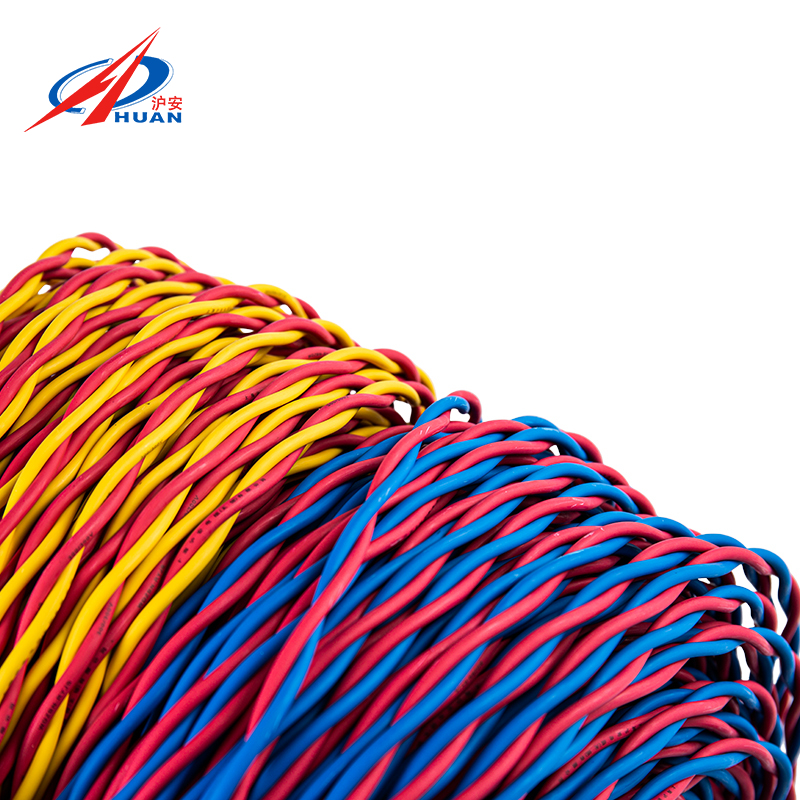
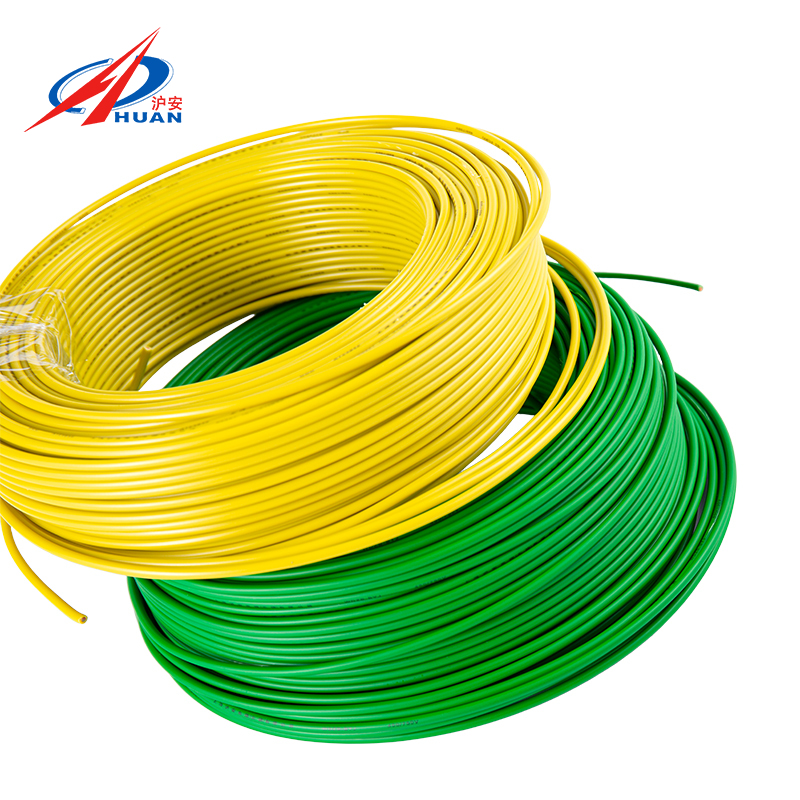
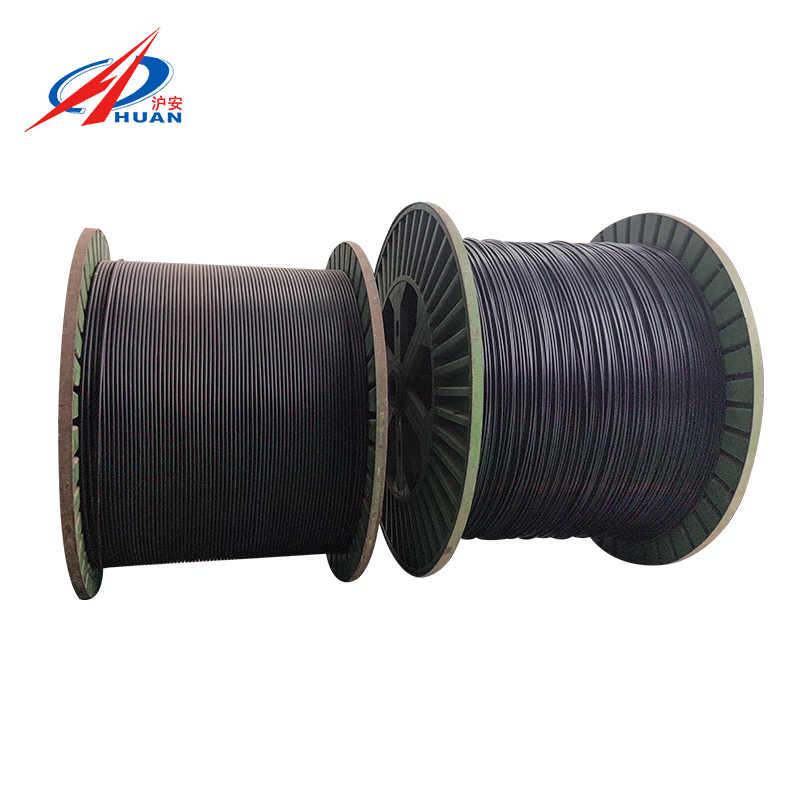
Infrastructure and construction cables are specifically engineered to support large-scale, long-term projects such as buildings, bridges, transportation systems, utilities, and industrial facilities. Unlike standard cables used in everyday appliances or light commercial wiring, these cables are designed to operate reliably under demanding physical, environmental, and regulatory conditions. Their primary role is to deliver power or signals safely and consistently throughout the entire lifecycle of an infrastructure project.
The difference between infrastructure & construction cables and standard cables lies not in a single feature, but in a combination of design priorities. These include higher mechanical strength, enhanced insulation systems, stricter safety compliance, and the ability to withstand harsh installation environments. Understanding these differences helps project planners, engineers, and contractors select the right cable for each application.
Design Purpose and Performance Expectations
Standard cables are typically designed for controlled environments, such as residential buildings or office interiors, where mechanical stress and environmental exposure are limited. Infrastructure & construction cables, by contrast, must perform reliably in open construction sites, underground ducts, tunnels, and outdoor installations. Their design reflects the expectation of continuous operation under load, even when exposed to vibration, moisture, dust, and temperature extremes.
Because infrastructure projects often involve long cable runs and high power demand, these cables are optimized for stable electrical performance over distance. Voltage drop, heat dissipation, and long-term conductor stability are all considered during design, ensuring predictable behavior once the system is commissioned.
Material Selection and Construction Quality
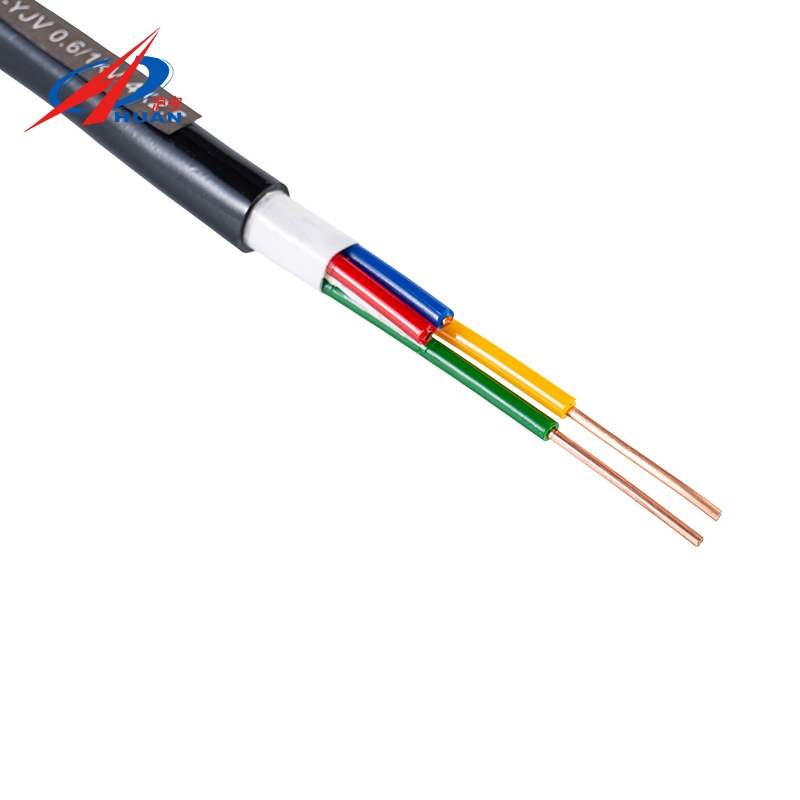
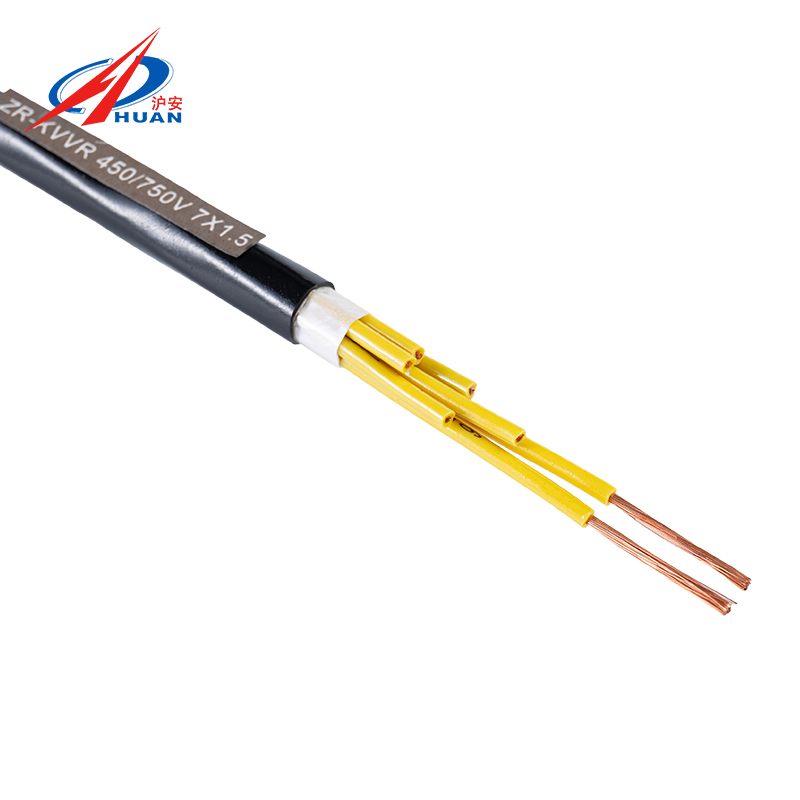
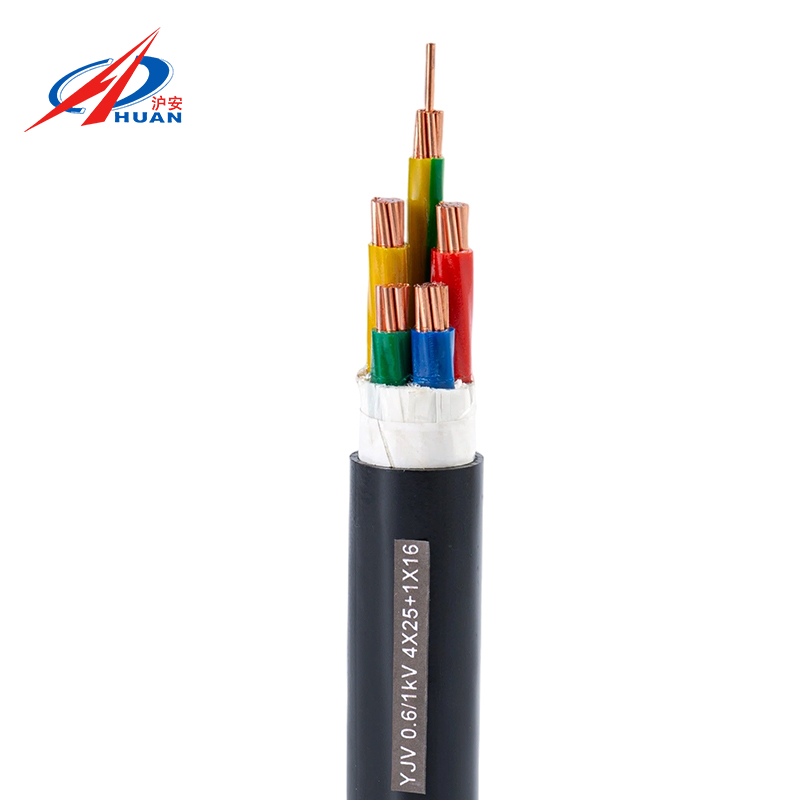
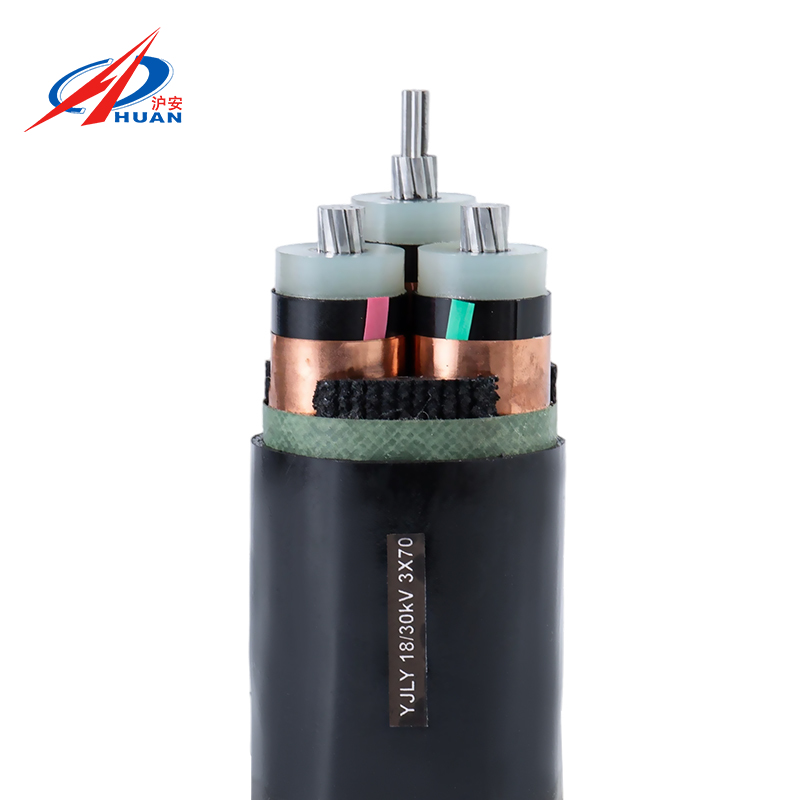
Almost noticeable differences lie in material selection. Infrastructure & construction cables typically use higher-grade conductors, such as annealed copper or aluminum alloys, chosen for a balance of conductivity and mechanical strength. These materials are often paired with advanced insulation compounds that resist heat, chemicals, and mechanical wear.
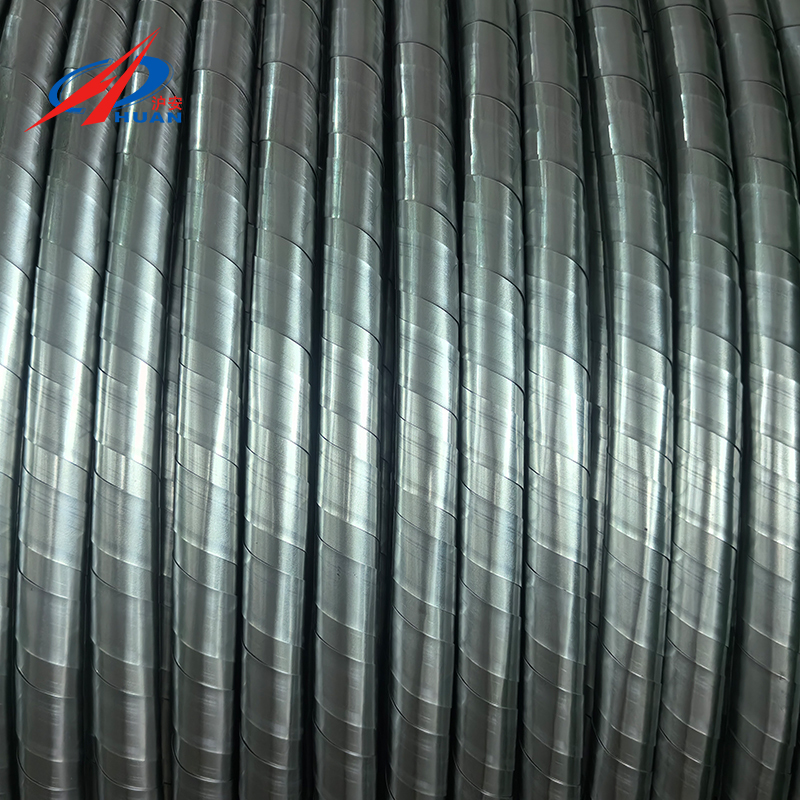
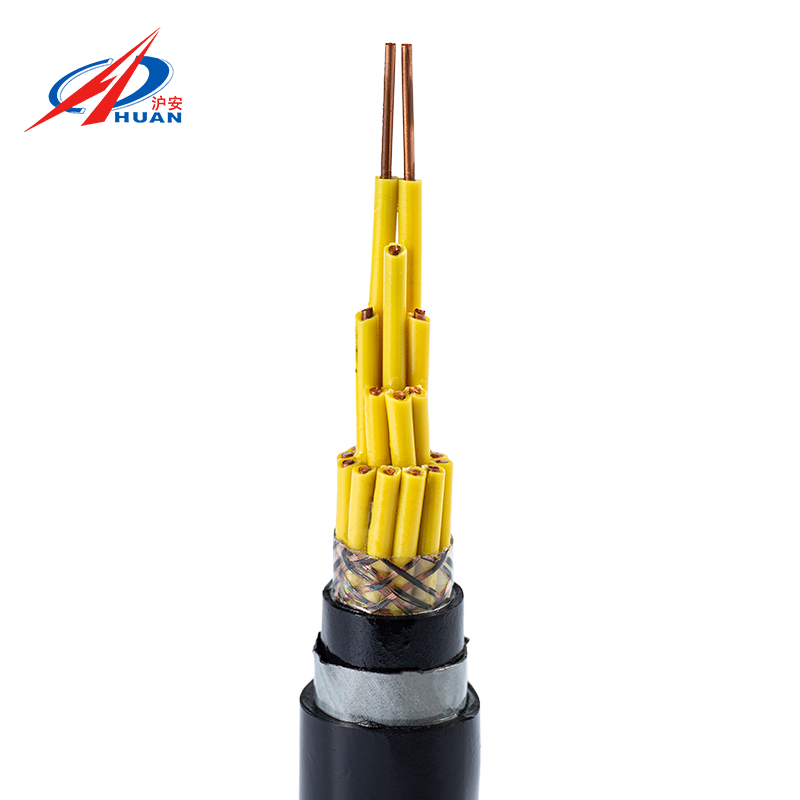
Standard cables may use simpler insulation materials suitable for indoor use, while construction cables often feature multi-layer insulation and robust outer sheaths. These layers protect the conductor from abrasion during installation and from long-term exposure to environmental factors once installed.
READY TO CUSTOMISE YOUR CABLE PRODUCTS?
If you are interested in our products, please leave us a message. We look forward to providing you with professional services!
Shanghai Hu'an Cable (Wuxi) Co., Ltd. is a rapidly developing professional and group oriented enterprise in the field of wire and cable. Also, it is a group company that integrates wire and cable design, R&D production and manufacturing.
Quick Links
Product List
Contact Info.

Tel.:
+86 (0)510-80336668

Whatsapp:
+86 139 1729 9018

E-mail:
good@huancabletop.com

Address:
No. 3 Shuguang Road, Industrial C Zone, Guanlin Town, Yixing City, Wuxi City, Jiangsu, China
QR Code

 English
 中文简体
中文简体
 عربى
عربى
 中文繁体
中文繁体
 한국어
한국어
 日本語
日本語
 русский
 Français
 Español
 Português
 Deutsch
 +86 (0)510-80336668