Engineering Fundamentals of Modern Transmission Systems
The reliable delivery of electrical energy across regional grids depends fundamentally on the structural and dielectric integrity of every Electric Transmission Cable deployed within the network. These conductors serve as the primary physical medium for moving high-voltage power from generation facilities to distribution substations, requiring precise alignment between electrical capacity, mechanical resilience, and environmental adaptability. Modern transmission networks operate under continuously fluctuating thermal loads, electromagnetic stresses, and atmospheric conditions that demand conductors with optimized cross-sectional geometries and advanced insulation matrices. Engineers must carefully evaluate current density, voltage drop limitations, and fault current withstand capabilities when selecting cable specifications for specific routing environments. The transition from bare conductor designs to insulated configurations has significantly reduced right-of-way requirements while enhancing public safety in densely populated corridors. Understanding the underlying electrical characteristics, including capacitance, inductance, and dielectric loss factors, enables utilities to design networks that minimize reactive power consumption and maximize transmission efficiency across varying load profiles.
Insulation Architecture and Dielectric Performance
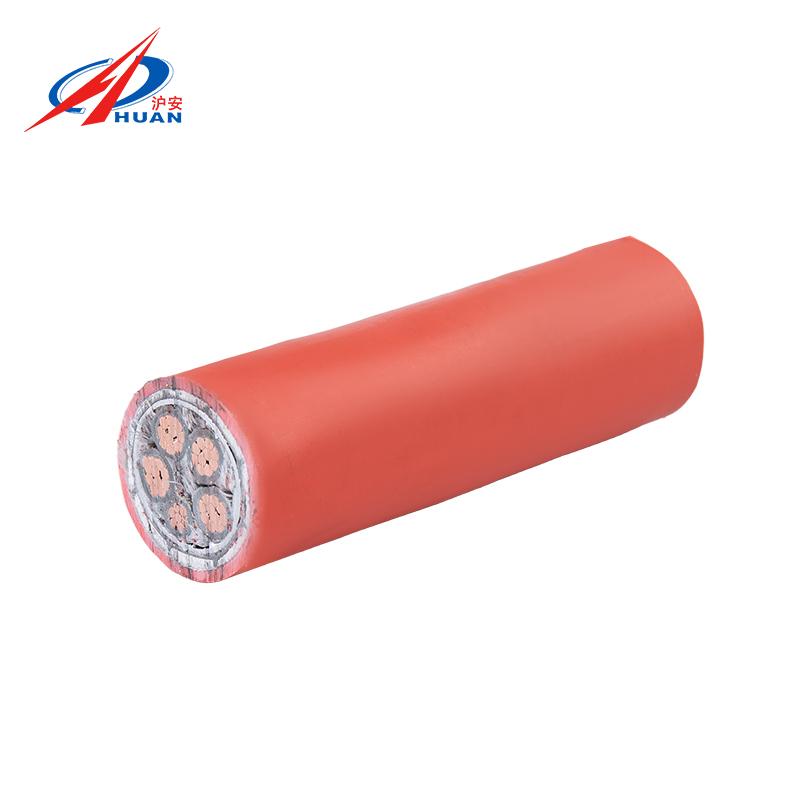
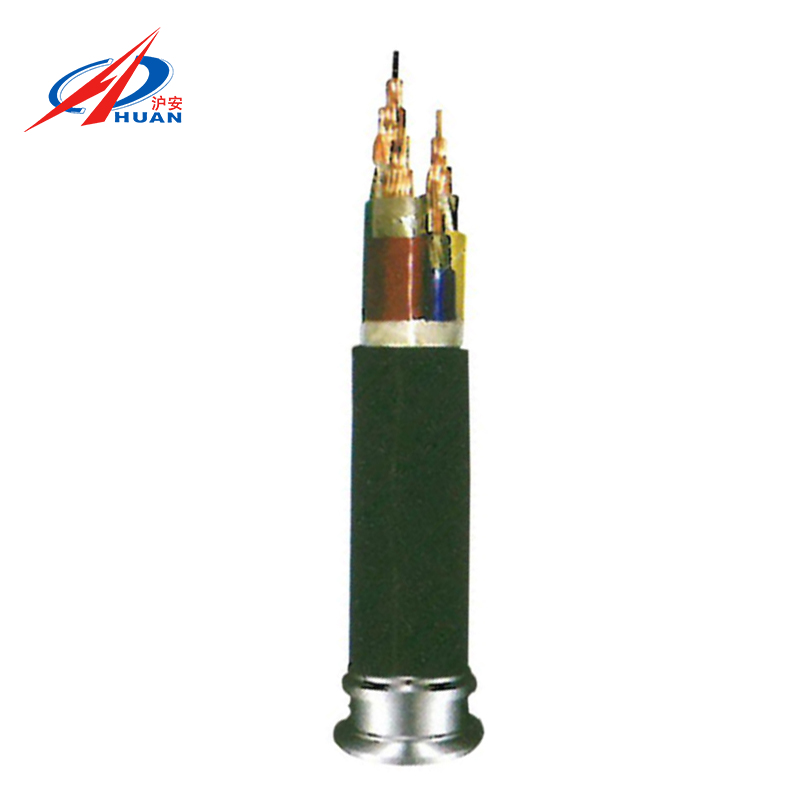
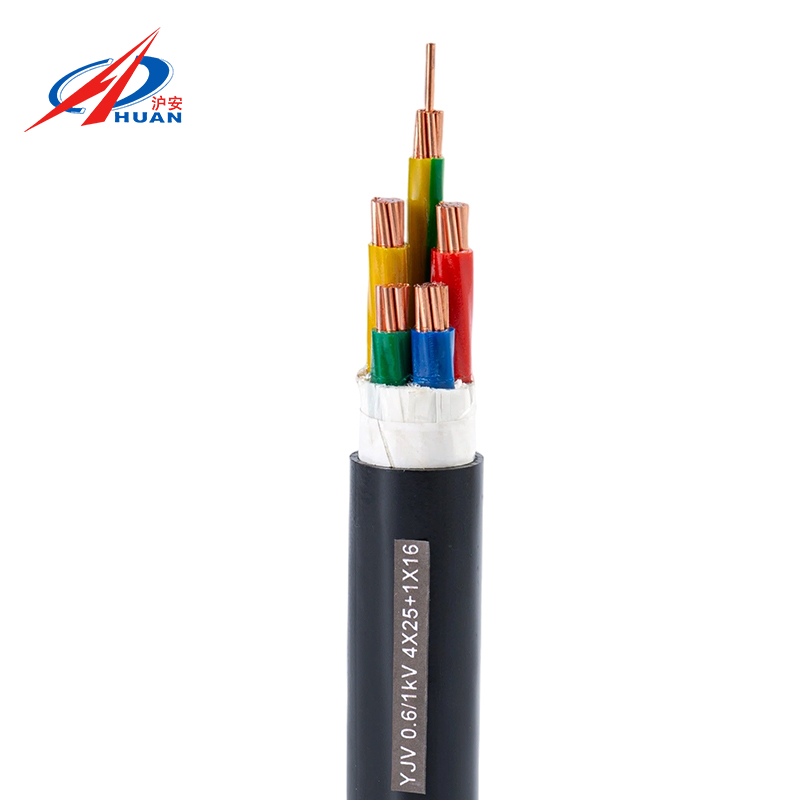
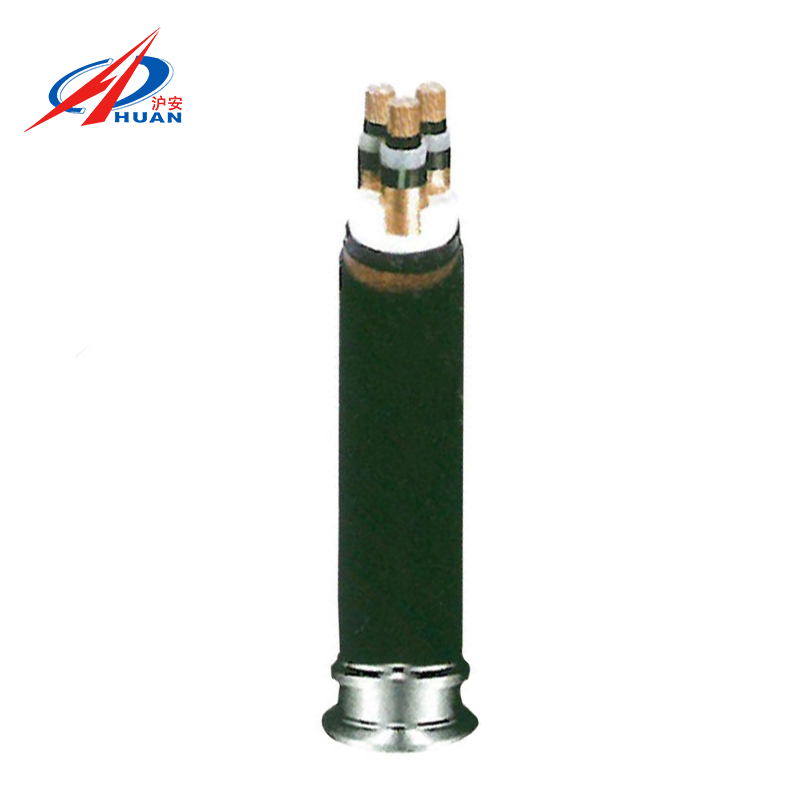
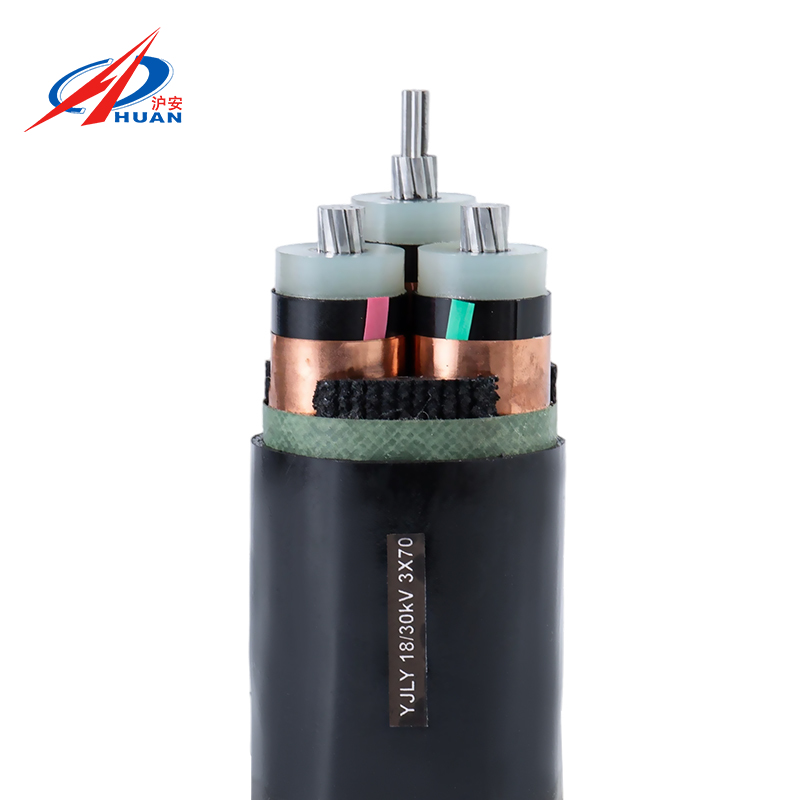
The insulation layer within power cables functions as the primary barrier against electrical breakdown, moisture ingress, and chemical degradation. Cross-linked polyethylene formulations dominate modern high-voltage applications due to their superior thermal stability, partial discharge resistance, and mechanical toughness under repeated loading cycles. The molecular cross-linking process transforms thermoplastic polyethylene into a three-dimensional network structure that maintains dimensional integrity at operating temperatures up to ninety degrees Celsius while withstanding short-circuit thermal excursions exceeding two hundred fifty degrees Celsius. Manufacturing precision during extrusion ensures uniform wall thickness, eliminating weak points that could initiate electrical treeing or water channel formation. Semiconductor shielding layers are integrally bonded to the insulation to smooth electric field gradients and prevent localized corona discharge at the conductor interface. As a specialized Power Cables Manufacturer and Overhead Insulated Cable Factory in China, our production capabilities span voltage classes up to 110kV and below, incorporating rigorous quality control protocols that verify dielectric strength, capacitance balance, and partial discharge thresholds before field deployment.
Structural Deployment of Aerial Network Infrastructure
Aerial power distribution requires conductors engineered to withstand continuous mechanical tension, wind-induced oscillation, and thermal expansion cycles without compromising electrical performance. An Overhead Transmission Cable must balance conductivity requirements with structural strength, often utilizing aluminum alloy cores reinforced with steel strands or integrated composite support elements to achieve optimal strength-to-weight ratios. Proper sag-tension calculations are critical during design phases to ensure adequate ground clearance under maximum load conditions while preventing excessive stress during cold weather contraction. Engineers utilize finite element analysis to model conductor behavior under combined ice loading, wind pressure, and temperature fluctuations, establishing safe operating envelopes for different climatic zones. Insulated overhead configurations eliminate phase-to-phase contact risks and enable reduced tower spacing in urban environments where traditional bare conductors pose safety hazards. The integration of weather-resistant polymer jackets and ultraviolet-stabilized compounds extends service life while maintaining consistent dielectric properties across decades of solar exposure and atmospheric pollution.
Mechanical Loading and Aerodynamic Stability
Wind-induced vibration remains a primary cause of fatigue failure in overhead conductor systems, particularly at suspension points and hardware attachment zones. Aeolian vibration, generated by alternating vortex shedding at moderate wind velocities, produces high-frequency oscillations that gradually fracture individual wire strands and compromise structural integrity. Engineers mitigate these effects through carefully calibrated damper installations, spiral vibration dissipaters, and tuned mass devices that absorb kinetic energy before it propagates into the conductor matrix. Spacer dampers and interphase spacing components maintain precise clearance between parallel circuits, preventing flashover during storm conditions while enhancing aerodynamic stability across multi-circuit corridors. The selection of alloy compositions and stranding patterns directly influences damping characteristics and fatigue resistance, requiring manufacturers to conduct extensive vibration testing under simulated environmental conditions. Proper hardware installation, including proper torque application on clamps and suspension assemblies, ensures uniform stress distribution and prevents localized crushing that could initiate premature conductor degradation.
Manufacturing Precision and Material Science Integration
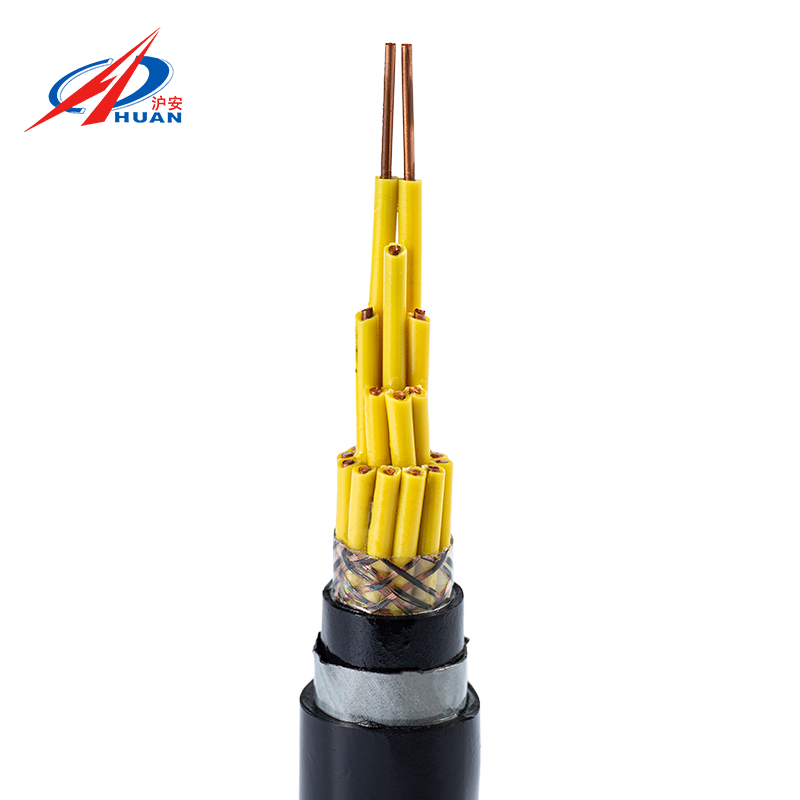
The production of high-reliability transmission conductors demands stringent process control, advanced material formulation, and comprehensive quality verification throughout every manufacturing stage. Aluminum alloy conductor technology has revolutionized weight reduction and tensile performance, utilizing magnesium-silicon precipitation hardening to achieve mechanical properties comparable to steel while maintaining excellent electrical conductivity. The extrusion and continuous casting processes must be precisely temperature-controlled to prevent grain boundary segregation and ensure uniform crystal structure throughout the conductor length. Insulation application utilizes continuous vulcanization lines that maintain exact pressure, temperature, and line speed parameters to achieve perfect polymer cross-linking without void formation or surface irregularities. Quality assurance laboratories perform routine testing including tensile strength verification, elongation measurement, dielectric breakdown analysis, and accelerated aging simulations to validate long-term performance projections. Specialized cable types, including mining cables, computer cables, and control cables, undergo additional certification protocols to meet industry-specific environmental and electromagnetic compatibility standards.
READY TO CUSTOMISE YOUR CABLE PRODUCTS?
If you are interested in our products, please leave us a message. We look forward to providing you with professional services!
Shanghai Hu'an Cable (Wuxi) Co., Ltd. is a rapidly developing professional and group oriented enterprise in the field of wire and cable. Also, it is a group company that integrates wire and cable design, R&D production and manufacturing.
Quick Links
Product List
Contact Info.

Tel.:
+86 (0)510-80336668

Whatsapp:
+86 139 1729 9018

E-mail:
good@huancabletop.com

Address:
No. 3 Shuguang Road, Industrial C Zone, Guanlin Town, Yixing City, Wuxi City, Jiangsu, China
QR Code

 English
 中文简体
中文简体
 عربى
عربى
 中文繁体
中文繁体
 한국어
한국어
 日本語
日本語
 русский
 Français
 Español
 Português
 Deutsch
 +86 (0)510-80336668